LLM Bento · a map for discussing
Where does this argument live?
Most conversations about LLMs mix several questions at once. Each has its own layer, and its own kind of evidence. Pick an argument, and see where it lives.
Or start from a layer: pick one in the stack above.
What does it change?
Work, power, safety, attention, meaning. These questions have no purely technical answer, because they are also about what we want. The evidence comes from history, economics and politics, and in the end from what we value.
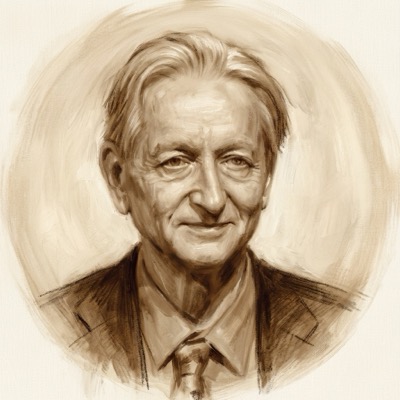 Geoffrey Hinton Helped lay the foundations of deep learning, then left Google in 2023 to warn about where it leads.
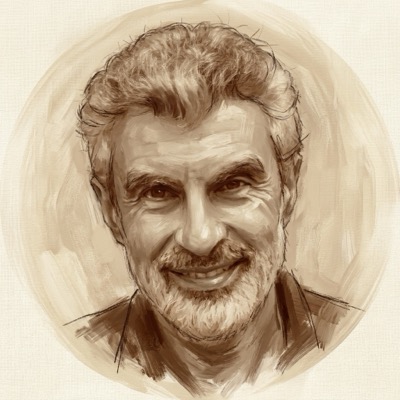 Yoshua Bengio Chairs the International AI Safety Report, and in September 2026 briefed the UN Security Council.
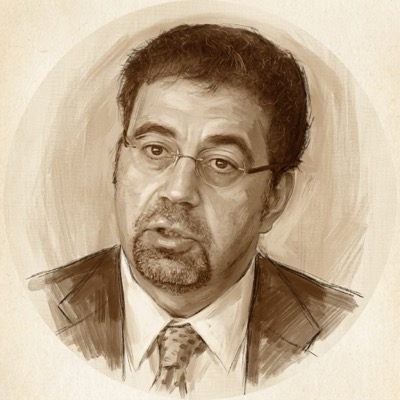 Daron Acemoglu Argues that who captures the gains from AI is a political choice, not a technical inevitability.
Go deeper: Threads
What can it do?
On its own, a model only answers. Wrap it in context, tools and a loop, and it can read files, run code, search, and keep going until a task is done. Much of what people call “the model” is really the harness around it. Questions here are about what works, today, reliably.
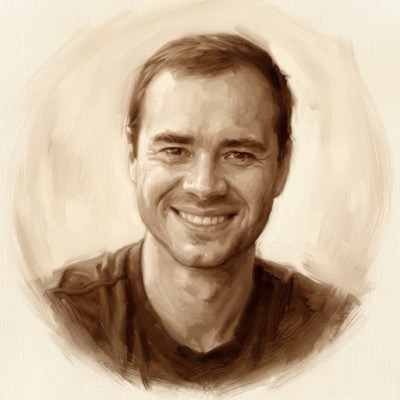 Andrej Karpathy On code agents and “the loopy era”: models that keep working without you.
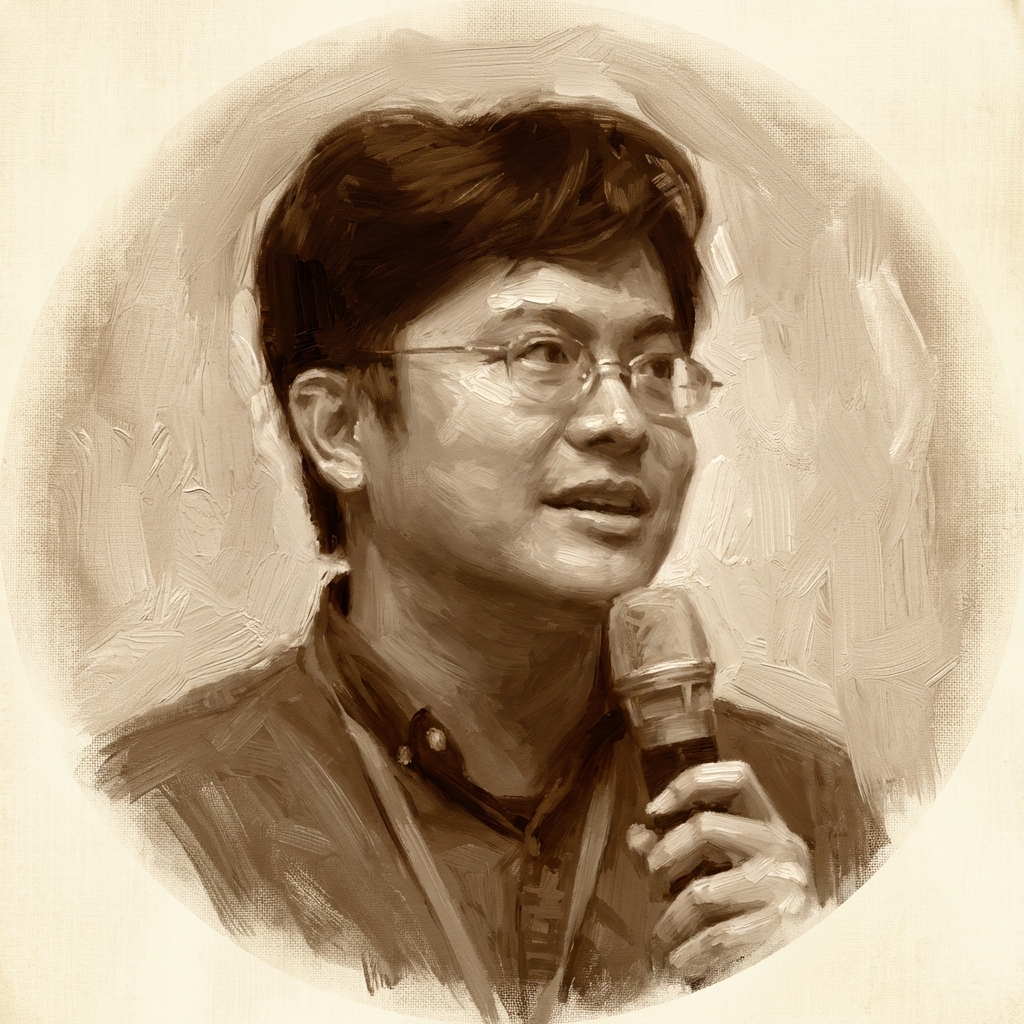 Hung-yi Lee His lecture “Harness Engineering”: sometimes the model is smart enough and the harness is not.
 Terence Tao Formalizes proofs in Lean with a coding agent at his side, and keeps saying the judgment is still his.
Go deeper: Around the Model
What was it shaped for?
Pre-training produces a model that continues text. Post-training decides what it becomes. Reward human preference (RLHF) and you get an assistant that sounds helpful and sure of itself. Reward correctness (RLVR) and you get a solver that reasons before it answers. And somewhere in this stage, a model gets its character: how it speaks, what it refuses. Same kind of foundation, different purpose.
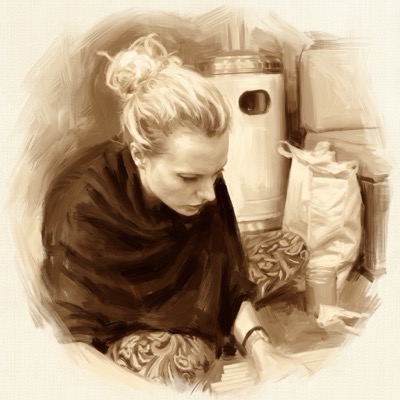 Amanda Askell A philosopher who leads the work on Claude’s character, work that raises a hard question: whose values become the default?
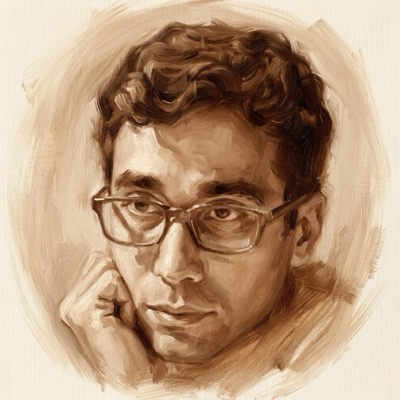 Noam Brown Co-created OpenAI o1, and argued early for models that think longer before they answer.
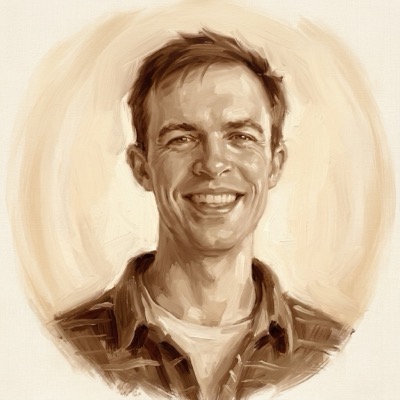 Nathan Lambert Wrote the book on RLHF, and led post-training at Ai2 on models open down to their training data.
Go deeper: Alignment
How did it learn?
Text becomes tokens, tokens become vectors, and attention lets every token look at every other. Trained to predict the next token across a vast share of what humanity has written, the transformer ends up with structure nobody wrote in by hand. Questions here are about mechanism and scale.
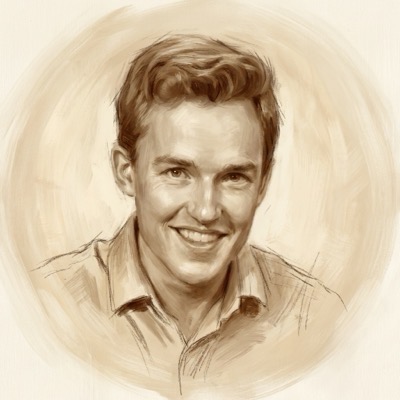 Grant Sanderson Draws transformers and attention so you can watch them work. Andrej Karpathy Builds a GPT from scratch on camera, one line at a time.
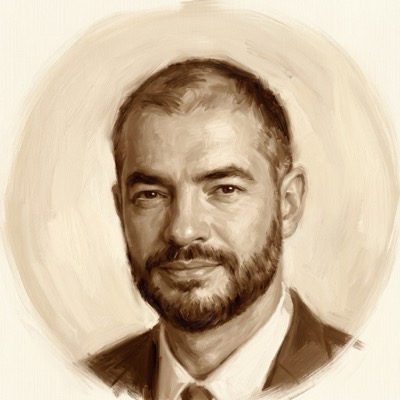 Ilya Sutskever Led the research behind the GPT series; now says the age of scaling is giving way to research.
Go deeper: The Birth of an LLM
What can it know?
An LLM has never touched the world. We have: we see it, move through it, get things wrong in it. Everything the LLM knows came through us, through what we understood and wrote down. It learns the world through people, not firsthand. A world model is a different bet: learn the way we do, from the world itself, from video, space and action. Questions here ask what any system can know, and from where.
Geoffrey Hinton Argues that to predict the next word well enough, a model has to understand the world that produced it. 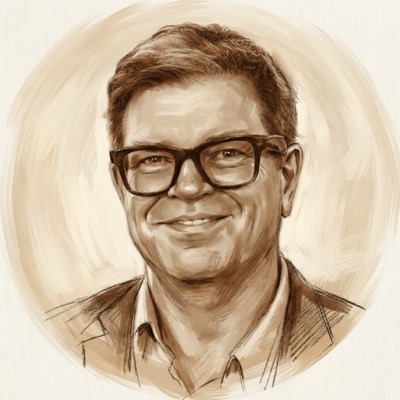 Yann LeCun Left Meta to build world models that learn from the physical world, not from text.
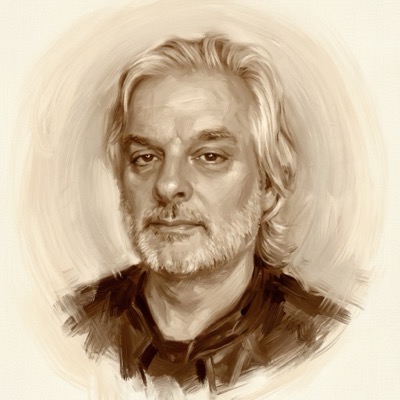 David Chalmers Formulated the hard problem of consciousness, and now asks what, exactly, we are talking to when we talk to an LLM.
Go deeper: Does an LLM actually understand?

