About
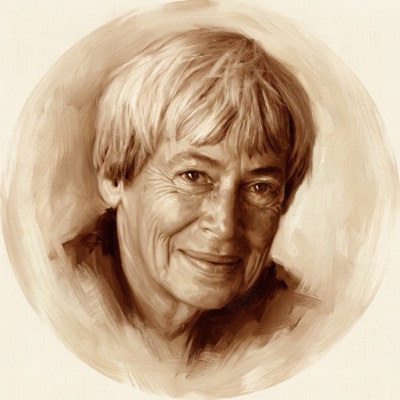
Ursula K. Le Guin (1929–2018) was an American author whose science fiction and fantasy novels explored themes of society, technology, and what it means to be human. Her works, including 'The Left Hand of Darkness' and 'The Dispossessed,' used speculative settings to examine gender, politics, and consciousness. Her Hainish universe featured the ansible—instantaneous communication across space—a concept now used in discussions of AI coordination. Her thoughtful exploration of otherness and intelligence offers profound frameworks for thinking about minds different from our own.
Key Contributions
- Wrote The Left Hand of Darkness and The Dispossessed, using speculative fiction to test gender, politics, and social possibility
- Created Earthsea, making fantasy a vehicle for ethics, power, language, and maturation rather than simple escapism
- Invented the ansible, a fictional instant-communication device that became part of science-fiction infrastructure
- Explored non-human minds, artificial servants, and technological societies without reducing them to gadget plots
- Won Hugo, Nebula, and National Book Foundation honors while defending science fiction as serious literature
- Her skepticism toward domination and extraction makes her newly relevant to AI, though she resisted simplistic techno-utopian readings
Videos & Interviews


Connections
Ted Chiang
KindredScience Fiction Author
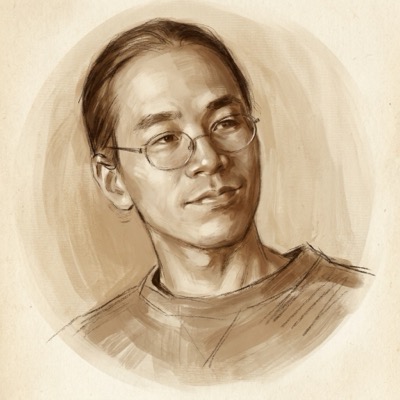
Accepting her National Book Award in 2014, Le Guin asked for 'writers who can remember freedom — poets, visionaries, the realists of a larger reality.' Critics have since made that phrase the standing description of Chiang; Public Books simply titled its essay on him 'Realist of a Larger Reality.' He has never claimed the lineage himself, which is part of why it holds — it is a judgment readers keep arriving at on their own. Both treat speculative fiction as a way of taking an idea seriously rather than decorating it, and this site reaches for both to ask the same thing: what a mind is, by building one that is not ours.
publicbooks.org · youtube.com
Kevin Kelly
In contrastFounding Executive Editor, Wired
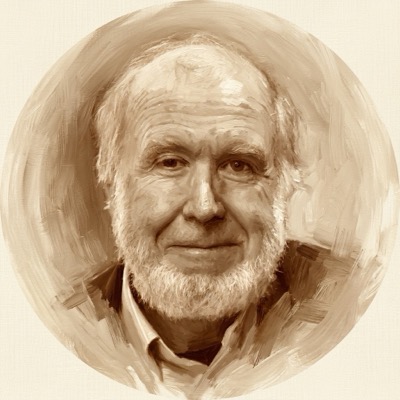
Kelly reads technology as the technium, one living system whose broad direction is inevitable even where its particulars are not — the reading his critics call determinism. Le Guin's National Book Awards speech is the sharpest answer on record, delivered into much the same Californian milieu his Whole Earth years came out of: 'We live in capitalism. Its power seems inescapable. So did the divine right of kings. Any human power can be resisted and changed by human beings. Resistance and change often begin in art.' Set side by side they disagree about the one thing that decides how anyone behaves toward a new technology — whether its direction is a fact to be forecast or a choice to be contested.
youtube.com
Elif Shafak
KindredNovelist & President, Royal Society of Literature
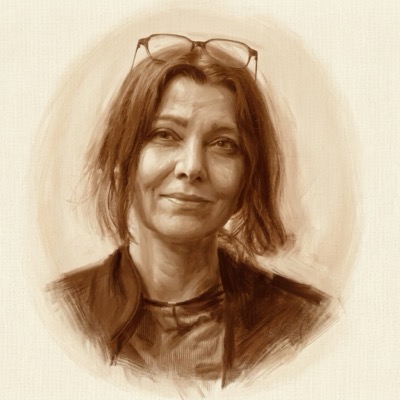
Two novelists refusing the same box from opposite sides of it. Le Guin spent a career arguing that fantasy and science fiction are not an escape from realism but a larger reality, and accepted her award 'for all the writers who were excluded from literature for so long'; Shafak declines the label magical realism because Istanbul does not sort itself into a box of magic and a box of reality, and says she is still waiting for a better word. The complaint underneath is identical: a genre name is a decision about what counts as real, and it is made by somebody else.
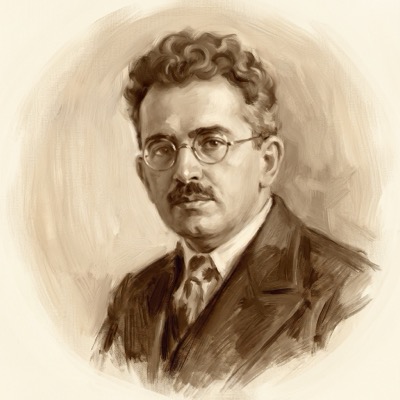
Walter Benjamin
KindredPhilosopher & Cultural Critic
Benjamin watched mechanical reproduction strip the artwork of its aura and asked what art becomes once ritual value gives way to exhibition value. Le Guin asked the commercial form of that question from a podium, demanding 'writers who know the difference between production of a market commodity and the practice of an art,' and naming her own publishers for charging libraries several times retail for an ebook. He traced what a technology does to art's presence; she traced what an ownership structure does to its purpose, and closed on the word he never reached for — 'the name of our beautiful reward is not profit. Its name is freedom.'
youtube.com

