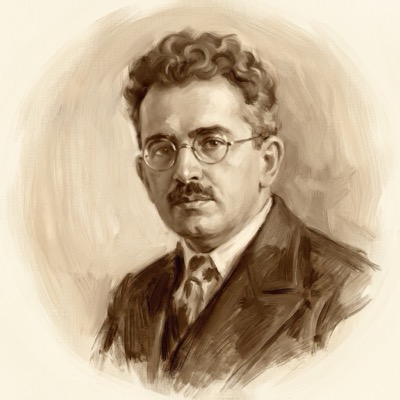
Walter Benjamin
Philosopher & Cultural Critic
About
Walter Benjamin (1892–1940) was a German philosopher and cultural critic whose essay 'The Work of Art in the Age of Mechanical Reproduction' (1935) anticipated modern debates about AI-generated content and authenticity. He argued that mechanical reproduction strips art of its 'aura'—its unique presence in time and space. In an age where AI can generate text, images, and music, Benjamin's questions about authenticity, authorship, and the nature of creative work have become urgently relevant again.
Key Contributions
- Wrote 'The Work of Art in the Age of Mechanical Reproduction,' still central to debates about copies, media, and authenticity
- Developed the concept of 'aura' to describe the authority of an artwork's unique presence in time and place
- Showed that reproduction can democratize access while also changing art's politics, ritual value, and mode of attention
- Left The Arcades Project as a major fragmentary method for reading modernity through commodities, streets, and media
- Influenced Frankfurt School critical theory, media studies, and later discussions of photography, film, and digital culture
- His ideas map powerfully onto AI-generated media, though the analogy can be overused if every synthetic image is treated as a simple repeat of mechanical reproduction
Videos & Interviews
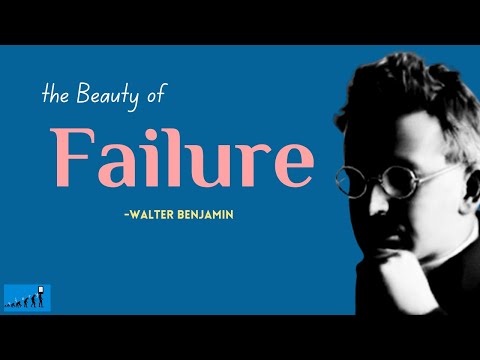
This genius failed in everything
Documentary on Walter Benjamin's life, his brilliant mind, and his tragic struggles
View Details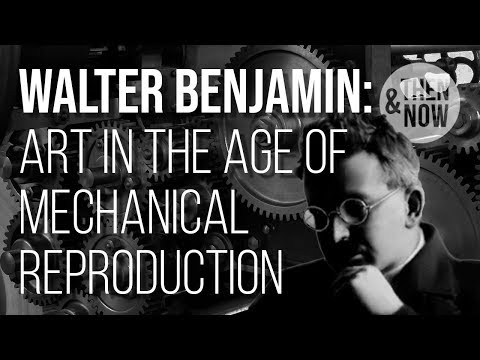
Walter Benjamin: Art in the Age of Mechanical Reproduction
Philosophy Tube analysis of Benjamin's influential essay
View Details
Walter Benjamin on Art in the Age of Its Technological Reproducibility
Exploration of Benjamin's ideas on authenticity, aura, and technological reproduction
View Details