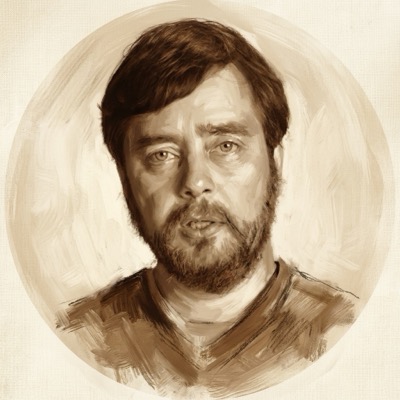
關於
Michael Levin 是塔夫茨大學生物學教授,也是 Allen 探索中心主任。他在生物電與形態發生學方面的突破性研究,揭示了細胞如何溝通與協作,以建構複雜的生命結構。他關於「xenobots」——由青蛙細胞製成的活體機器人——以及渦蟲再生的研究,為智能的本質提供了深刻洞見,表明認知存在於從細胞到生物體的多個尺度,對 AI 與合成生物學具有重要意涵。
主要貢獻
- 揭示生物電訊號如何協調形態發生、再生與解剖結構的圖樣記憶
- 利用渦蟲等模式生物研究細胞如何跨尺度集體解決問題
- 以跨尺度形態控制串連發育生物學、癌症抑制與再生醫學
- 共同創造 xenobots 與 anthrobots,模糊生物體、機器與設計系統之間的邊界
- 將認知視為多尺度現象,把智能討論從大腦延伸到組織與細胞集體
- 其思想既具挑釁性也具生產力,但也有人批評其「智能」語彙有時被隱喻性地拉得太寬
影片與訪談
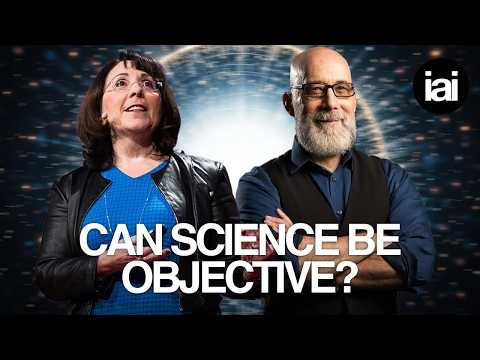
Is materialism holding science back? | Adam Frank, Lisa Feldman Barrett, Michael Levin
Adam Frank, Lisa Feldman Barrett, and Michael Levin discuss whether materialism limits how science understands mind, life, and experience.
View Details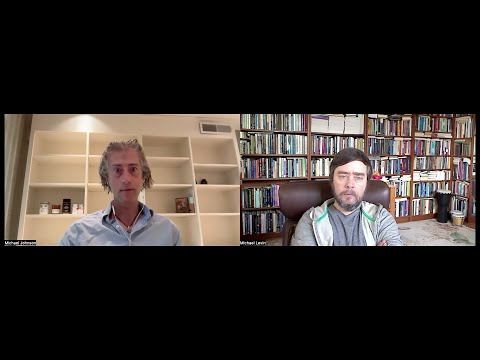
Discussion with Michael Johnson 1
First of two conversations on Michael Levin's channel, on vasocomputation, stress as cognitive glue, and computation and cognition in unconventional substrates. Johnson brings his hypothesis that tension in vascular smooth muscle latches Bayesian priors about the nervous system's appropriate range; Levin brings distributed stress minimization, stress reduction as the driving variable of anatomical homeostasis. Together they ask how neurons compete for blood flow, how the body punishes defectors, and why so much of that tension never gets released.
View Details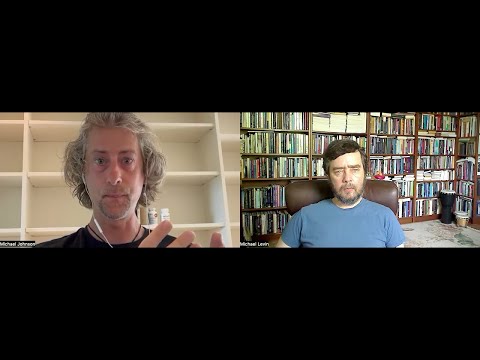
Discussion with Michael Johnson 2
Second conversation on Michael Levin's channel, covering the spectrum of consciousness down to the cell and below, implicit memory and cellular pixels of experience, Platonic space, symmetry breaking, and intrinsic versus extrinsic motivation. Johnson proposes meeting in the middle between Levin's thought and his own: both grant cells an inner perspective, so the question becomes what kind and how much. Levin offers his test for where a first-person view starts to matter, a bowling ball on a landscape versus a mouse, and the two ask whether the Platonic forms living systems tap into are symmetry groups.
View Details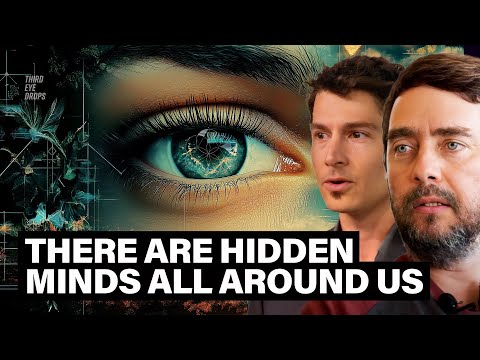
Hidden Consciousness & The Living Patterns That Shape Reality | Michael Levin & Matt Segall
A long-form dialogue (THIRD EYE DROPS, Mind Meld 424) between developmental biologist Michael Levin and process philosopher Matt Segall on hidden minds, the patterns that organize living form, and where cognition comes from.
View Details
Michael Levin: Biology, Life, Aliens, Evolution, Embryogenesis & Xenobots
Lex Fridman Podcast #325 - How cells think, bioelectricity, and the nature of intelligence
View Details
Michael Levin: Consciousness, Biology, Universal Mind, Emergence
Discussion on collective intelligence, cancer research, and the nature of mind
View Details論文與出版物
思想連結
威廉·詹姆士
受其影響哲學家與心理學家
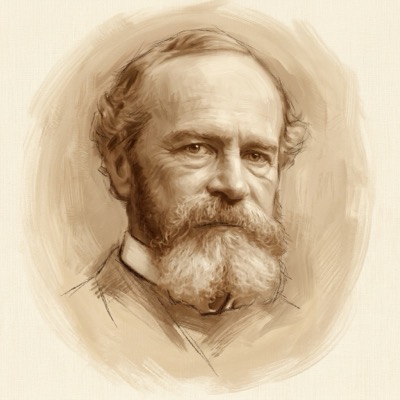
每當 Levin 需要一個不預設大腦的智能定義,他就會轉向詹姆士:以不同手段達成同一目標的能力。這個定義承擔了他整套論述的重量——細胞與組織都是問題解決者;一隻細胞被放大數倍的蠑螈,會改用較少的細胞,仍然長成正常大小的身體——按照詹姆士的標準,這就是智能。在與 Matt Segall 的對談中,他也接過了詹姆士的另一個提示:究竟誰是思想、誰是思想者,其實並不那麼明顯。
youtube.com · youtube.com · youtube.com · footnotes2plato.substack.com
Joscha Bach
曾經對談AI 研究員與認知科學家
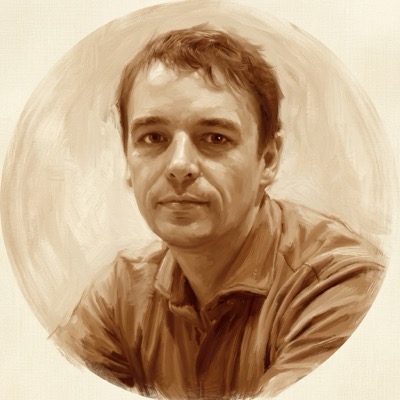
Bach 與 Levin 錄下了數小時的對談——2022 年那場談集體智能與形態發生,2024 年又與物理學家 Chris Fields 進行三方對話。這份親近是結構性的:Levin 在沒有神經元的組織裡找到認知,Bach 則把心智描述為自我組織的軟體,能在任何承載得住它的基質上運行。在他們之間,「心智從哪裡開始?」這個問題失去了理所當然的答案。
youtube.com · drmichaellevin.org
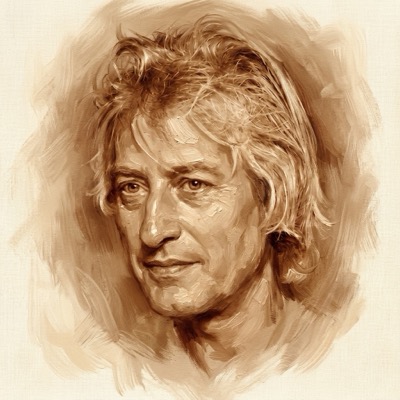
Michael Edward Johnson
曾經對談哲學家與神經科學家・Qualia Research Institute 共同創辦人
2025 年在 Levin 的頻道上錄下兩場對談。第一場,Johnson 的血管計算(血管肌肉鎖住關於神經系統適當範圍的預測)遇上 Levin 以壓力最小化作為解剖恆定的驅動變數,兩人追問:壓力是否就是把細胞黏合成一個自我的膠?第二場,兩人都承認細胞有其內在視角;Levin 坦言自己沒有意識理論,Johnson 帶來形式化工具,於是問題從「有沒有」轉為「哪一種、有多少」。
youtube.com · youtube.com

Lisa Feldman Barrett
曾經對談傑出心理學教授・東北大學
在藝術與思想研究所(IAI)一場題為「唯物論是否拖住了科學」的座談上,Levin 主張嚴格的物理主義「早就死了很久,而且不是因為這些新的生物學,只是因為數學」——e 的值是任何物理學家都改不了的事實。座談中的神經科學家 Barrett 從自己的實驗室出發回應:「我同意潛在空間這個想法,」但她懷疑那個空間是否來自脈絡的一致性,因為「脈絡是完全有因果力的」,而這已經要求人用不同的方式做科學,「像 Mike 那樣做,或像我們實驗室那樣做」。這是少見的一段紀錄:一位生物學家與一位神經科學家,一起檢驗他們都需要的那個抽象領域究竟住在哪裡。
youtube.com

