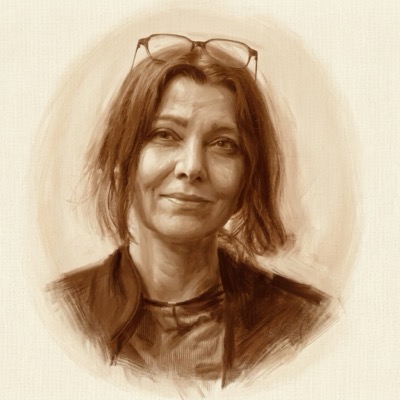
關於
艾莉芙‧夏法克(1971 年生於史特拉斯堡)是英國土耳其裔小說家與散文家,同時以土耳其文與英文寫作,著有二十一本書,被譯成近六十種語言,並自 2025 年 12 月起擔任英國皇家文學學會(Royal Society of Literature)會長。2006 年,她因《伊斯坦堡孤兒》中亞美尼亞角色說出的幾句話,被依土耳其刑法第 301 條起訴——那是一場在真實法庭上為虛構人物辯護的審判——最後獲判無罪;2013 年起她定居倫敦。她真正的題目是檔案裡缺席的東西:她形容小說家是一種語言與文化的考古學家,要往下挖穿一層層的記憶與失憶、故事與沉默。面對她所謂「確信相互碰撞的年代」,她主張意義不是作者遞出來的,而是在讀者與文本之間生成的——沒有兩次閱讀是一樣的——作家的工作是打開一個容納多重性的空間,而不是說教。她對大型語言模型的異議,正是從這門技藝、而非從任何技術判斷長出來的:這些模型呈現的知識「向單一方向傾斜」,把一套以歐洲與西方為中心、且以文字為載體的典律當成知識的主要來源,而她所仰賴的口傳傳統,卻「正在我們說話的此刻被抹去」。
主要貢獻
- 以土耳其文與英文寫作二十一本書,譯成近六十種語言;《倒數 10 分 38 秒》入圍 2019 年布克獎決選
- 2006 年因《伊斯坦堡孤兒》中角色說出的話,被依第 301 條「侮辱土耳其性」起訴並獲判無罪——她的律師是在真實法庭上為虛構人物辯護
- 2025 年 12 月獲選為英國皇家文學學會會長,接替 Bernardine Evaristo
- 稱小說家是語言與文化的考古學家,主張作家必須聆聽沉默與失憶,而不只是聆聽故事
- 拒絕「意義的單一性」:讀者不是被動的,沒有兩次閱讀是一樣的,作者的任務是打開多重性的空間,而不是說教
- 主張大型語言模型把知識推向一套以歐洲為中心、以文字為載體的典律,而少數族群的口傳故事則「正在我們說話的此刻被抹去」——並認為這個議題「太重要了,不能只交給少數幾家公司」
- 主張沒有懷疑的信仰就是教條——對宗教與無神論的絕對確信同樣戒慎——並區分 chronos(可測量的鐘錶時間)與 kairos(她認為說故事者真正身處的深層循環時間)
影片與訪談
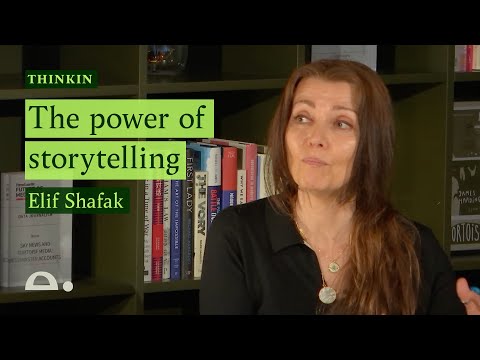
Author Elif Shafak on the power of storytelling | Tortoise ThinkIn
A Tortoise ThinkIn with James Harding, run as a newsroom conversation rather than an interview, so half the hour belongs to the room — a Cypriot whose family was split by the partition, a Turkish woman with a Greek grandmother from Istanbul, a man pressing her on whether "populism" is just what being unheard sounds like. The spine is a distinction she draws early between information, knowledge and wisdom. She recalls the techno-optimism of the early 2000s, when a young couple in Egypt named their child after Facebook, and says what went wrong is that "we relied too heavily on information": scrolling "gives me the illusion that I know something about the subject," and "we forgot to say I don't know" — the point where Socrates began. Wisdom, in her account, is the stage that needs empathy, not more data. Asked whether social media also gave voice to people who had none, she concedes it at once, speaking as a woman from the Middle East, and then refuses to hand the subject over: "technology is too complicated... let's leave it to people who know the subject. Let's not do that." AI is never named. The hour is here for its account of what a mind loses when it mistakes information for knowledge, from someone who writes out of the silences official archives keep.
View Details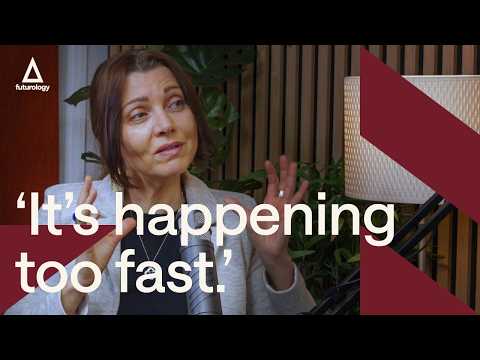
Novelist Elif Shafak on Why We Need Faith to Face the Future
The interview where she is asked about large language models directly, and answers at length. Her objection is not about capability: within these models "the knowledge that is being presented is tilted in one direction," a Eurocentric and West-centric literature treated as the main source of knowledge, "whereas the knowledge of many minorities, people from different parts of the world, all that oral storytelling that I was talking about — that is being erased as we're speaking." She reaches for Benjamin's angel of history to describe being pushed forward faster than the moment can be processed, and recalls the tech optimism of twenty years ago, when a young Egyptian couple named their newborn daughter Facebook — a teenager now, and she wonders what world was handed to her. The lesson she draws from that swing is against swinging again: Gramsci's pessimism of the intellect held together with optimism of the will, medicine credited without hedging, and a flat refusal to let the subject be delegated — "it's way too important to leave it to a few companies or to a few decision makers in a few companies."
View Details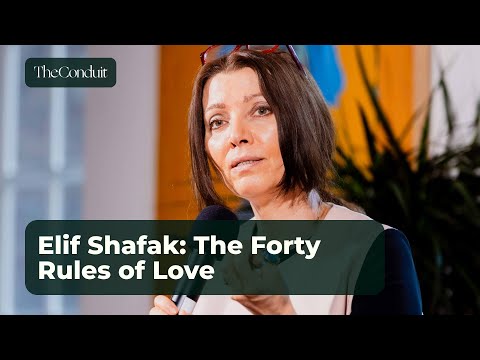
Elif Shafak: The Forty Rules of Love
An on-stage conversation revisiting the novel sixteen years after it was written — a book within a book, Ella Rubenstein reading a manuscript about Shams of Tabriz and Rumi, the two timelines mirroring each other across centuries. Shafak says she followed intuition rather than a plan and "never knew quite what I was doing until I finished the novel." The sharpest passage is on certainty: she is not religious, has "too much doubt" for that, and what frightens her is absolute conviction in either direction — "faith without doubt is a dogma," but someone certain of their atheism to the point that not a speck of faith remains has lost "the magic of life" too. She names three reconnections she thinks the moment demands — with other people across borders, with nature, and with an inner garden she deliberately refuses to give a name — and cites a Yazidi teaching that in April you tread the earth gently because the earth is pregnant, offered not as charming folklore but as what a culture produces when it treats nature as an equal rather than as material. There is no mention of AI anywhere in the hour. Its value here is the epistemic stance underneath: doubt held as a discipline, in a register the field rarely borrows from.
View Details
How to Unlock Your Imagination as a Writer (Elif Shafak Interview)
Perell asks about craft and Shafak keeps answering about attention. She declines the label magical realism on the grounds that Istanbul does not sort itself into boxes — a moment of sorrow with absurdity underneath it, or the reverse — and offers instead that a novelist is "a bit like a linguistic cultural archaeologist," digging "through layers of memory and amnesia, stories and silences." The through-line is what goes unrecorded: she listens to how people say things as much as what they say, distrusts heroes in favour of the moment a timid person turns brave, and separates chronos, the measurable time of clocks, from kairos, the deep cyclical time she thinks storytellers actually work in. On meaning she is blunt — "we live in an age of clashing certainties," readers are not passive, no two readings are ever the same, and a writer who preaches has failed. AI appears once, an hour in and in passing: large language models being used to trace how animals communicate, offered as evidence that nature knows more than we do. That single line is the whole of it, and the interview is better for not reaching. What it is instead is an hour on the faculty this site keeps approaching from the other side — how a mind attends to what was never said.
View Details思想連結
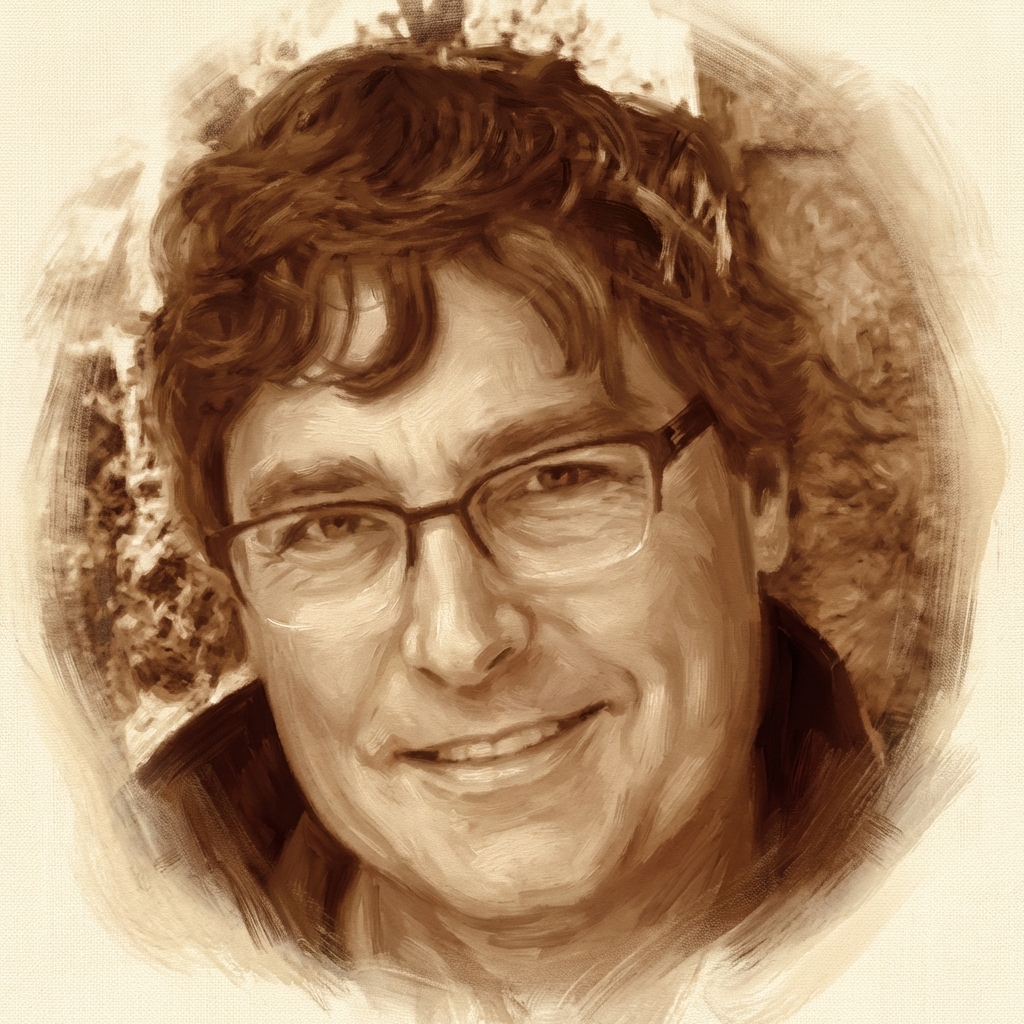
Sean Dorrance Kelly
思想同道哈佛大學藝術與人文學院院長、哲學教授
《All Things Shining》——Kelly 與 Hubert Dreyfus 合著——主張世俗化的西方並沒有超越神聖,失去的其實是與神聖相遇的實踐。夏法克從另一端指認同一種處境,並把實踐一一舉出:她要的既不是「宗教的絕對確信」,也不是「無神論的絕對確信」,而是「世俗的信仰行動」——搬到一個你未必會快樂的國家、寫一本可能對誰都沒有意義的小說、在毫無把握的情況下墜入愛河——而她把靈性與宗教性區分開來,正是因為建制化的宗教「把人類分進『我們』與『他們』的盒子裡」。Kelly 從荷馬與梅爾維爾那裡把失落的技藝讀回來;她則在她筆下那些神祕主義者所走的、信仰與懷疑之間那條細線上找到它——「有時還左右搖擺」。
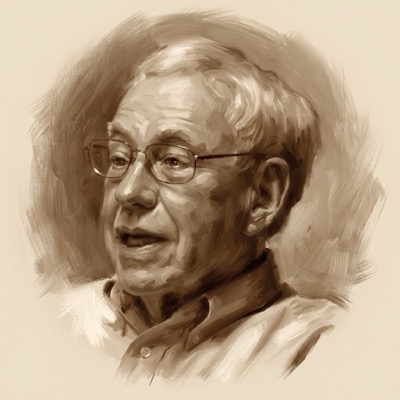
Hubert Dreyfus
思想同道哲學家與 AI 批評者
Dreyfus 畢生主張,真正要緊的知是「知道怎麼做」——那是浸潤其中的、熟練的,永遠無法被完整還原成一組命題的;而在《All Things Shining》裡,神聖是在實踐中相遇的,不是被當作教義持有的。夏法克描述寫作時,用的正是同一種語域:她跟隨直覺,說自己「要到小說寫完,才真的知道自己在做什麼」,並把「繼續寫一本可能對誰都沒有意義的書」稱為一種世俗的信仰行動。Dreyfus 把這個主張對準符號式人工智慧與它的規則;她則從技藝內部說出同一件事——這讓她成為一位格外直接的證人,見證他當年用來反駁機器的那個東西。
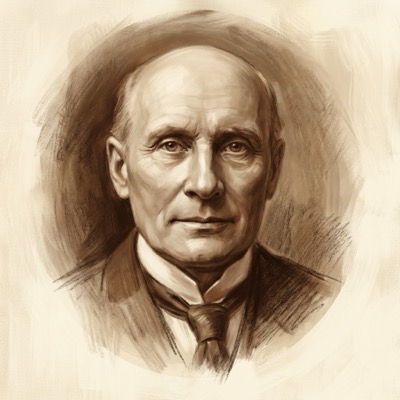
懷海德
思想同道數學家與過程哲學家
夏法克做出了歷程哲學最核心的那一步,卻沒有用它的語彙。她說:「當你走進故事之地,就沒有『我們』對『他們』——對作家而言不可能有『他者』。他者是我的兄弟,他者是我的姊妹,我就是他者。所以它拆解了二元對立。」而她在那些跨越數個世紀與大陸、彼此素未謀面的神祕主義者身上,看到同一種拆解:「存在於我之內的,也存在於宇宙之中,反之亦然」——每一個人都是映照著大宇宙的小宇宙。這與懷海德的賭注十分接近:關係是構成性的,而非附帶的,每一個現實存在都從自身的位置攝入整個宇宙。他以形上學的方式,對抗一個由各自分離的實體構成的世界;她則把它報導為神祕主義者反覆在說的話,以及小說對讀者所做的事。
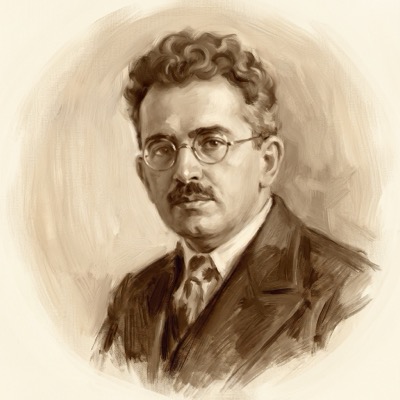
華特·班雅明
思想同道哲學家暨文化批評家
當被問到大型語言模型最終可能向我們揭示什麼關於我們自己的事,夏法克援引了班雅明筆下的歷史天使——那幅克利的畫——來描述自己「像被彈射進未來」的感覺:被推著往前,快到來不及消化正在經歷的這一刻。這是他的意象,被借來描述一個他未曾活著見到的技術性當下,而借用者是一位小說家,她對這些模型的指控正是:它們吸收書面傳統的速度有多快,抹去口傳傳統的速度就有多快。在他的靈光與她的沉默之間,這組配對把同一種焦慮標記了兩次:一種新媒介在給予的同時,正在拿走什麼。
youtube.com

