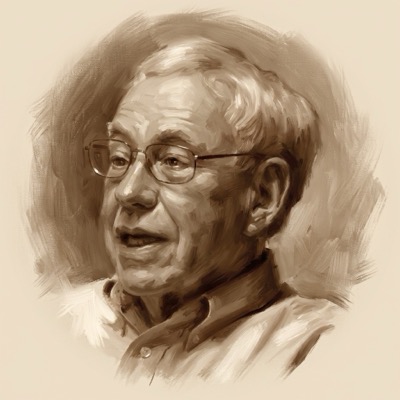
Hubert Dreyfus
哲學家與 AI 批評者
關於
Hubert Dreyfus(1929–2017)是加州大學柏克萊分校的美國哲學家,他對人工智慧的批判深刻影響了這個領域的發展。他援引海德格與梅洛-龐蒂等現象學家的思想,在What Computers Can't Do(1972)與 What Computers Still Can't Do(1992)中主張,人類智慧依賴於具身的、處境性的專業知識,而這種知識無法被基於規則的符號式 AI 所捕捉。他對「古典 AI」(GOFAI)的批判後來被證明極具先見之明,他對具身性、直覺以及身體在認知中所扮演角色的強調,至今仍持續挑戰人們對 AI 所能達成之目標的假設。
主要貢獻
- 著有《What Computers Can't Do》,主張符號式 AI 忽略具身技能、背景實踐與處境應對
- 援引 Heidegger 與 Merleau-Ponty,挑戰專家知識能被明確規則儲存的假設
- 與 Stuart Dreyfus 發展技能習得模型,描述從新手遵循規則到專家直覺行動的過程
- 透過《Being-in-the-World》等著作,將 Heidegger 詮釋帶入英語哲學世界
- 在具身性成為認知科學主流議題前,就迫使 AI 研究者面對默會知識與身體問題
- 他對 GOFAI 限制的批判極具先見之明,但 connectionism 與現代 ML 也使其部分強主張變得更複雜
書籍


影片與訪談
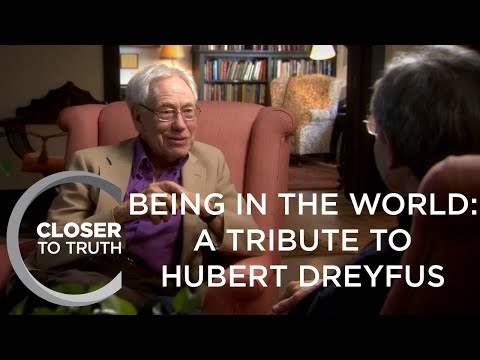
Being in the World: A Tribute to Hubert Dreyfus | Closer To Truth
Closer to Truth tribute exploring Dreyfus's lasting impact on philosophy and AI critique
View Details
Being in the World (Full Documentary)
Award-winning documentary featuring Dreyfus on Heidegger, embodiment, and skilled coping
View Details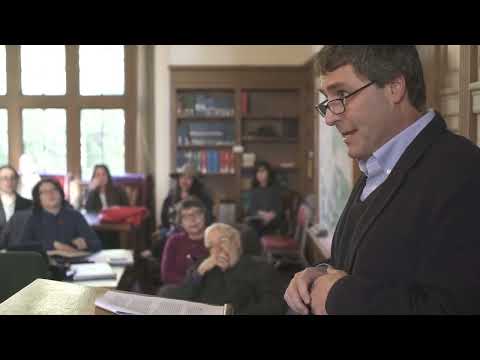
Celebrating Hubert Dreyfus: Sean Kelly -- "The Teacher" (part 1)
Sean Kelly's tribute to Dreyfus as a teacher and mentor at the memorial celebration
View Details
Hubert Dreyfus - Why is Consciousness so Baffling?
Closer to Truth interview on the hard problem of consciousness and phenomenological approaches
View Details思想連結
馬丁·海德格
受其影響哲學家
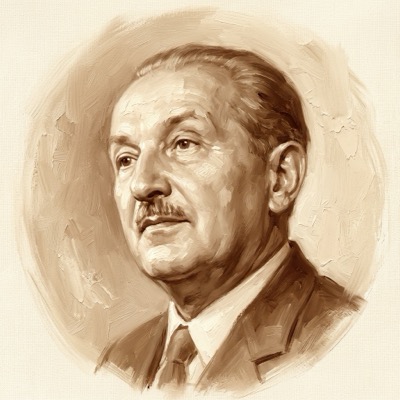
Dreyfus 對 AI 的批判,其實是把海德格轉譯成一項工程上的異議:智能是在一個早已充滿意義的世界裡熟練地應對,而不是操作與脈絡無關的事實。他的注疏《Being-in-the-World》(1991)在一整個世代的英語哲學界裡,幾乎就等於《存在與時間》本身該怎麼讀——這套詮釋鮮明到批評者為它取了個名字:「Dreydegger」。
en.wikipedia.org · Being-in-the-World: A Commentary on Heidegger's Being and Time, Division I (MIT Press, 1991)
Sean Dorrance Kelly
曾經合作哈佛大學藝術與人文學院院長、哲學教授
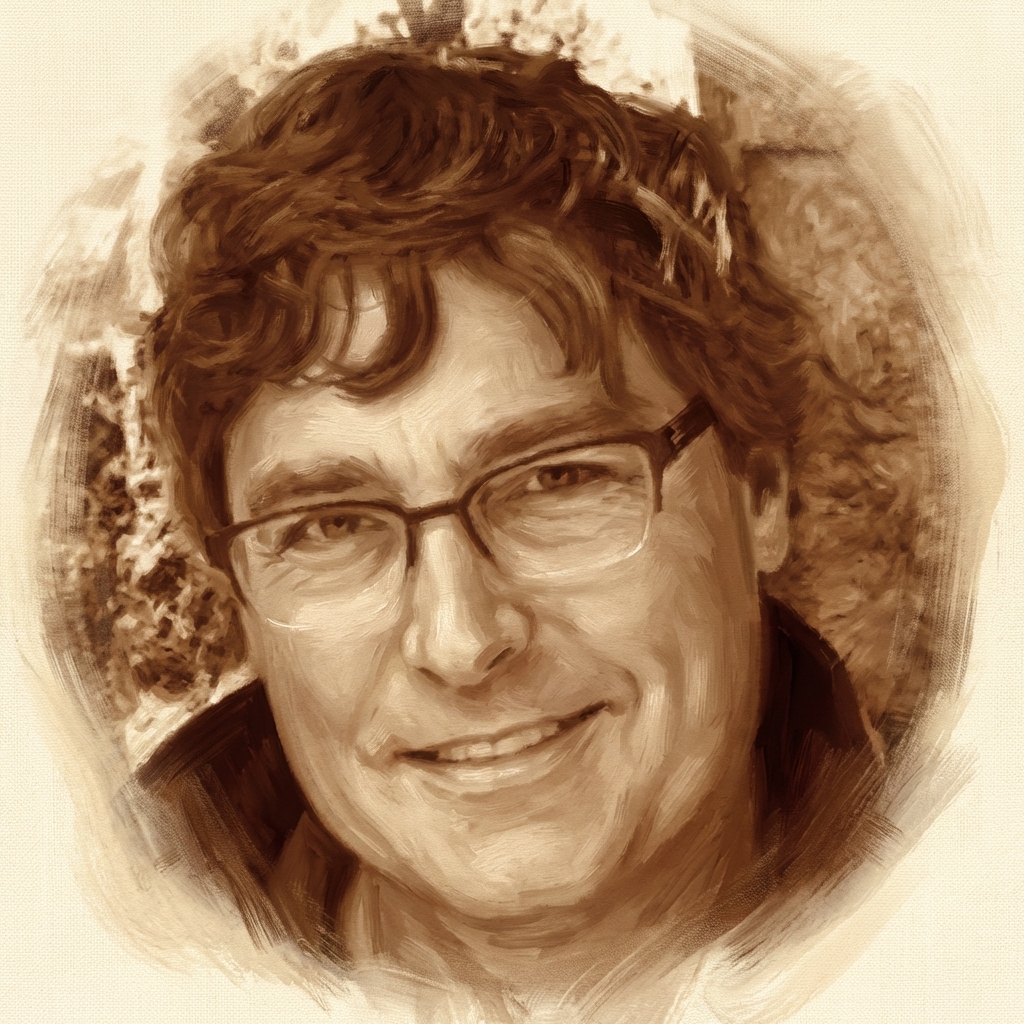
兩人合著《All Things Shining》(2011):主張世俗化的西方已失去「被閃現之物牽引出來」的能力,而意義是在技藝與共享時刻中培養出來的,不是在孤立的自我內部製造出來的。Kelly 也出現在紀錄片《Being in the World》中,而他為 Dreyfus 所做的追思演講——就收在本站——標題只有簡單三個字:「那位老師」。
en.wikipedia.org · All Things Shining: Reading the Western Classics to Find Meaning in a Secular Age (Free Press, 2011)
John Searle
思想對照Philosopher of Mind & Language
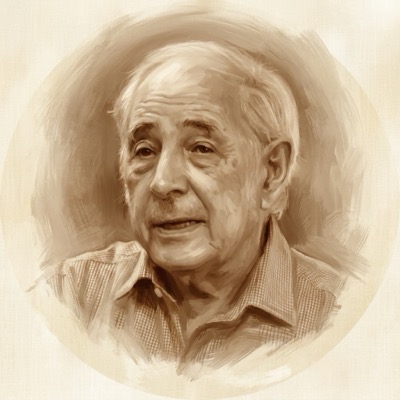
這是對兩位柏克萊同事的一種讀法:他們攻擊同一個目標,路徑卻互不相容。Searle 承認程式或許能通過圖靈測試,但否認它理解任何東西——語法永遠變不成語意。Dreyfus 否認的是更前面那一步:一個只被餵養明確規則的系統,根本應對不到那個程度,因為專家的本事不是規則。一種論證讓出了行為、卻扣住了心智;另一種則說,那種行為壓根不會出現。
plato.stanford.edu
David Abram
思想同道文化生態學家暨哲學家
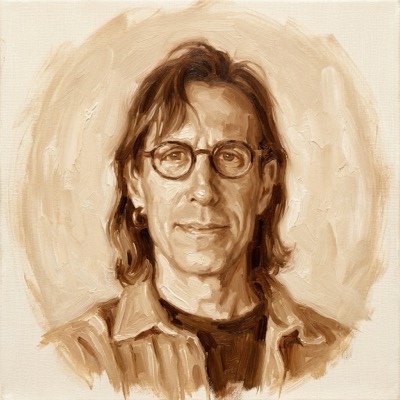
這是一種共鳴,而非有記載的交往:兩人都從梅洛-龐蒂出發,主張智能與身體不可分離。Dreyfus 把這個論證對準了符號式人工智慧——電腦做不到身體所知道的事;Abram 則對準了拼音文字本身。兩人合讀,恰好框出了本站不斷追問的問題:由文字構成的心智,究竟是什麼?