What is real?
The cuts
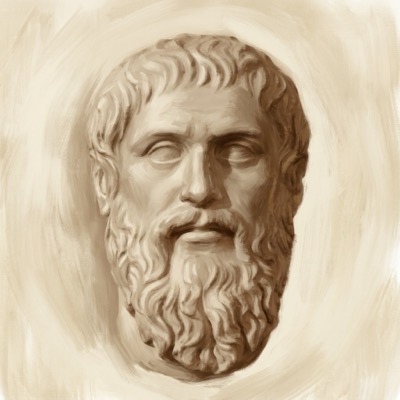
The really real is the eternal Form; the world our senses report is its passing shadow.
Split appearance from reality — the first cut, and the one every later answer argues with.
The Republic (Allegory of the Cave)-380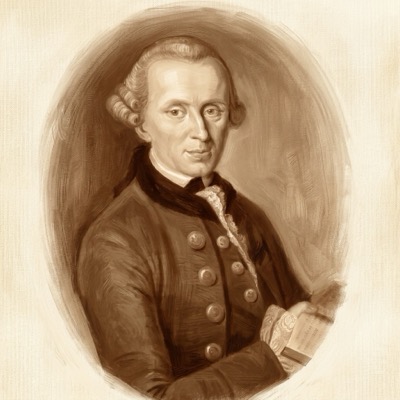
We never reach the thing-in-itself. Reality as we know it is structured by the mind that meets it.
Made 'the real' partly our own doing — a claim AI-era simulation only sharpens.
Critique of Pure Reason1781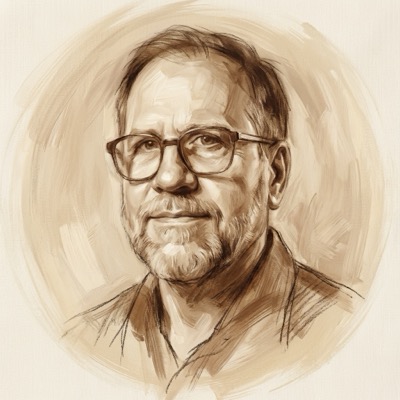
Realness is not just existence but the depth of your contact with it — graded by how fully you participate. Losing that contact is the meaning crisis.
Why it matters: in an age of simulation and generated everything, our grip on the real is the whole game.
Awakening from the Meaning Crisis (relevance realization)2019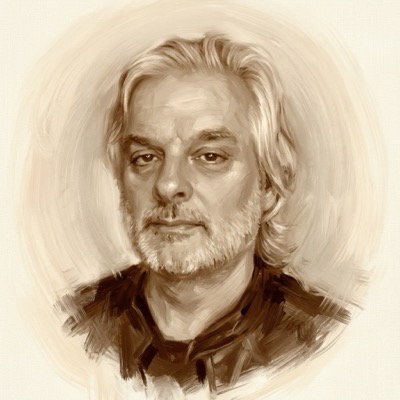
Virtual reality is genuine reality. A world made of bits is no less real for it.
Turned the deepfake-era panic into a precise claim: simulated need not mean fake.
Reality+: Virtual Worlds and the Problems of Philosophy2022
Reality isn't built of things with intrinsic properties; it's built of relations. A quantum system has no observer-independent state — its properties are events that hold relative to other systems. To be real is to make a difference to something else.
Turned the measurement problem into an ontology — dropped the absolute state and made properties relational all the way down to particles.
Relational Quantum Mechanics1996The tensions
Plato drew the line first: prisoners chained in a cave, mistaking flicker on a wall for substance, while the real things — the Forms — burn behind them, unseen. Every later account of reality argues with that line, even the ones that try to erase it.
Kant kept the line but redrew it through the mind. We never touch the thing-in-itself; what we experience as “reality” has already been shaped by what we bring to it — space and time as the forms in which anything can appear to us at all, causality among the concepts that organize what appears. Vervaeke pushes that inward turn somewhere more urgent: realness, in his account, is not a property a thing has or lacks but a depth of contact you have with it, and losing that depth — drifting into disconnection from self, others, and world — is the meaning crisis. In an age of synthetic voices, generated faces, and worlds built entirely from text, that grip on the real stops being an academic nicety.
Chalmers takes the argument somewhere Plato would not have expected: maybe the cave is fine. A world made of bits, he argues, is not a lesser world — simulated need not mean fake. Whether that settles anything, or just gives synthetic media a more sophisticated alibi, is not something this page resolves.