About
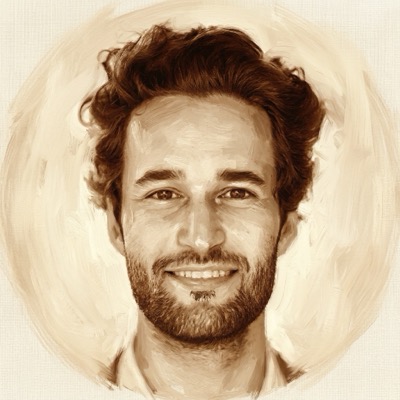
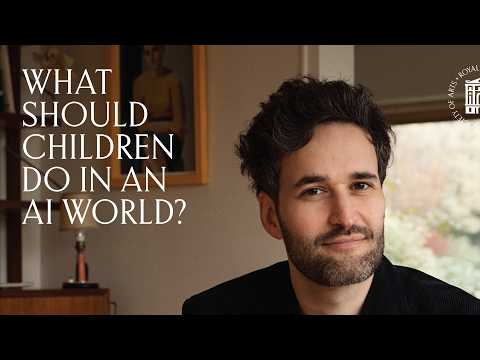
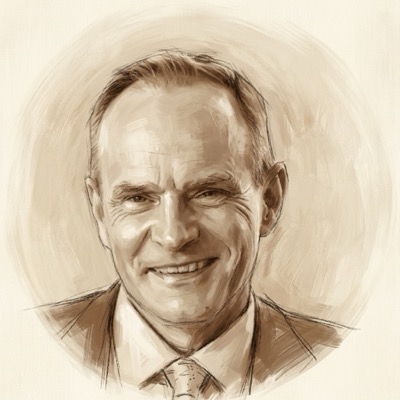
Daniel Susskind is an economist who studies what automation does to work, and what work is for once machines can do most of it. He is Research Professor in Economics at King's College London, the Mercers' School Memorial Professor of Business at Gresham College, a Senior Research Associate at Oxford's Institute for Ethics in AI, and a Digital Fellow at the Stanford Digital Economy Lab. Before academia he spent several years inside the British government, as a policy adviser in the Prime Minister's Strategy Unit, a policy analyst in the No. 10 Policy Unit, and a senior policy adviser in the Cabinet Office. He took a doctorate in economics at Oxford in 2016, having been a Kennedy Scholar at Harvard. His argument is that the pressing question is not whether there will be enough work, but how to distribute income and find meaning when there is not — a problem he treats as political and moral rather than technological.
Key Contributions
- Wrote A World Without Work (2020), arguing technological unemployment is a distribution and meaning problem rather than a scarcity of tasks
- Co-wrote The Future of the Professions (2015) with Richard Susskind, on how technology reshapes expert work in law, medicine, education and accountancy
- Wrote Growth: A Reckoning (2024), named by Barack Obama among his favourite books of that year
- Served in three UK government roles — the PM's Strategy Unit, the No. 10 Policy Unit, and the Cabinet Office — before returning to academic economics
- Sits on the UK Government's Expert Panel on AI and the Future of Work
Videos & Interviews
Connections
Daron Acemoglu
In conversationInstitute Professor of Economics, MIT
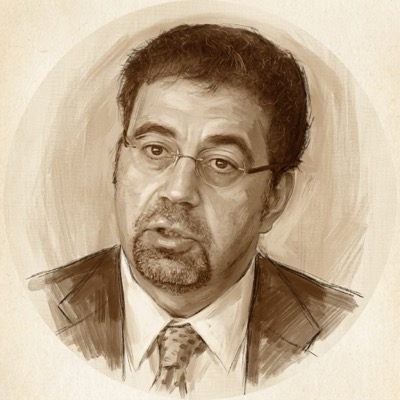
In May 2024 Oxford's Institute for Ethics in AI and the Oxford Martin School invited Acemoglu to argue that AI's current path is inimical to human flourishing, then had Susskind respond from the panel. The two share the premise that the gains from automation are not automatically shared; where they part is on whether steering the technology is enough, or whether a world with less work needs new ways to distribute income and meaning altogether.
oxfordmartin.ox.ac.uk
Yuval Noah Harari
KindredHistorian & Public Intellectual
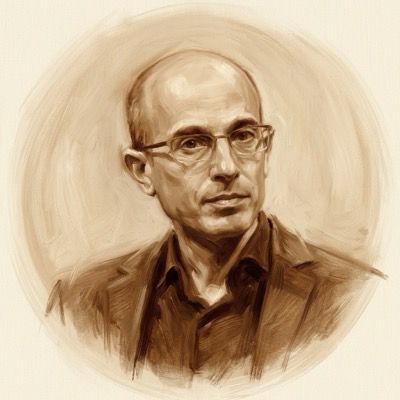
Harari warned that automation could produce people with no economic role at all; Susskind's A World Without Work takes the same prospect and asks the economist's follow-up questions — how income would be shared, and where meaning would come from, once paid work no longer supplies it. Read together, the historian names the danger and the economist begins drafting the institutions.
thefuturist.co · danielsusskind.com
Simon Johnson
In contrastProfessor of Entrepreneurship, MIT Sloan
An illuminating disagreement in emphasis rather than a recorded debate. Johnson and Acemoglu's Power and Progress insists that whether technology lifts workers is a political choice about its direction; Susskind's A World Without Work takes seriously that, however we steer, demand for human labour may keep shrinking. One book asks us to aim the machines better, the other to prepare for what they will do anyway.

