
Tristan Harris
共同創辦人暨總裁・人道科技中心
關於
Tristan Harris 是美國科技倫理學家,也是人道科技中心(Center for Humane Technology)的共同創辦人。他在史丹佛大學修習電腦科學,曾任 Google 設計倫理學家,2015 年離職後致力倡導更人道的科技設計。他的 2017 年 TED 演講和艾美獎得獎 Netflix 紀錄片《社群困境》讓大眾廣泛關注說服式科技如何綁架人類注意力。《大西洋》雜誌稱他為「矽谷最接近良心的人」,近年他將關注焦點擴展至 AI 的存在性風險,並共同主持 Your Undivided Attention podcast。
主要貢獻
- 離開 Google 設計倫理職位後,協助普及對說服式設計與注意力汲取的批判
- 共同創辦人道科技中心,將產品設計造成的傷害轉化為主流政策與文化議題
- 透過《社群困境》觸及大眾,讓社群媒體誘因更容易被理解;但該片也被批評簡化複雜研究
- 共同主持《Your Undivided Attention》,持續提供討論平台傷害、注意力市場與 AI 的公共論壇
- 以《AI 的困境》將同樣警告框架延伸到 AI,主張能力競賽可能快過民主控制
- 其工作很擅長公共說服,但也被批評過度依賴科技業內部人士作為道德見證者
影片與訪談

8 billion people vs 5 AI CEOs with Tristan Harris
Harris argues that a handful of AI CEOs are determining the future for 8 billion people without their consent, examining the concentration of power in AI development.
View Details
Tristan Harris on the Anthropic Whistleblower, Elon Musk, and Avoiding AI Catastrophe
The host opens by reading Evan Hubinger's line out loud, and makes the point the week's coverage mostly skipped: Jacob Coxon was not the first insider to say this, and what made his resignation travel was that people still inside the labs reaffirmed it. The number spread because of who repeated it, not because anyone had computed anything new.
View Details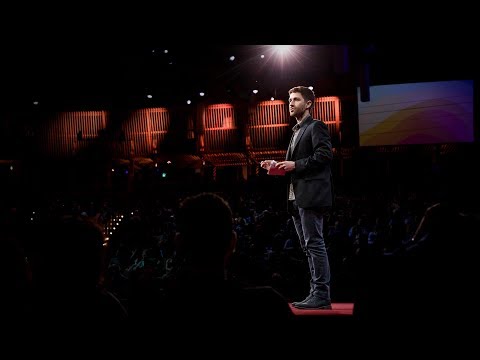
How a handful of tech companies control billions of minds every day
TED talk where Harris explains how tech companies prey on human psychology for profit and calls for a design renaissance that respects users' attention.
View Details
The Most Hopeful (And Concerning) Moment Yet in AI
Harris narrates the whole week back in one sitting: Coxon's resignation reaching a hundred million people in a day, Hubinger confirming that many inside Anthropic share the fear, then Dario's essay and the strange sight of Musk, Altman and Bill Gates each saying he is right, then Trump phoning the All-In stage to call it a hoax.
View Details
The A.I. Dilemma - March 9, 2023
Tristan Harris and Aza Raskin present the Center for Humane Technology's case that existing AI capabilities already pose catastrophic risks, introducing the concept of "Golem-class AIs."
View Details思想連結

唐內拉·梅多斯
受其影響環境科學家與系統思想家
哈里斯對注意力經濟的批判,最深層的框架借自梅多斯:在 2022 年的一場演講中,他逐一講解《系統思考》與十二個槓桿點,並特別指出最頂端的那一個——超越典範的能力——正是科技論述真正需要的。在他的敘述裡,社群媒體是一個忠實產出其結構所激勵之物的系統,要修復它,就得沿著她的層級向上爬:越過功能與設定,直到目標與典範。
singularityhub.com

Daniel Mügge
思想同道阿姆斯特丹大學政治算術學教授
同一個診斷,卻是從相反的機構位置抵達的。Harris 以一個主張建立起一場運動:為「互動參與」最佳化的設計,會壓過使用者自己的意圖。Mügge 則在談論當時正於布魯塞爾辯論的《數位公平法案》時,描述那些明白說出「這東西對我不好」、卻依然放不下手的青少年,並搬出菸草的類比——人們需要、也會感激一點點幫忙,好把某些東西擋在手邊之外。Harris 用的是設計倫理與公共注意力的語言,Mügge 用的則是法條的語言:限制自動播放與類似的設計模式;而他之所以這樣主張,正是因為把重擔壓在個人意志力上,本來就是放錯了地方。
唐鳳
曾經對談無任所大使・台灣
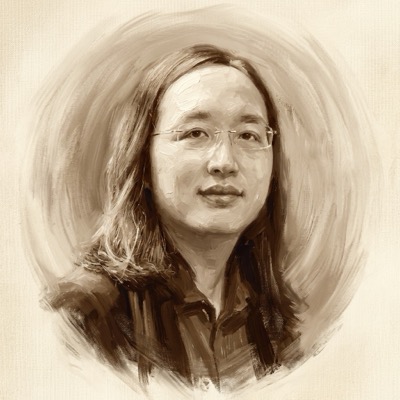
2024 年 2 月的選舉季,Harris 與 Aza Raskin 把唐鳳請上《Your Undivided Attention》,問一個民主政體如何在深偽與資訊戰之下站穩。她的回答是台灣方法的縮影:她「把自己被深偽的過程拍下來」,提前拆穿了這種威脅;而且「只要投資於提高位元率,讓公民能說出心裡的話、一起搭橋,效果就很驚人」。Harris 從國家之外診斷注意力經濟;唐鳳則是少見的、曾在國家之內做過反向實驗的對談者。
humanetech.com · centerforhumanetechnology.substack.com