關於
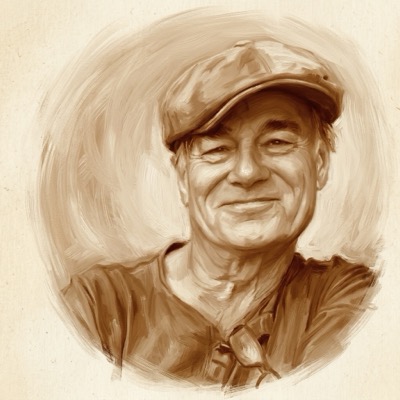
大衛·懷特(生於 1955 年)是英愛詩人與哲學家,生於約克郡米爾菲爾德,父親是約克郡人,母親來自愛爾蘭沃特福德。他在班戈大學攻讀海洋動物學,曾在加拉巴哥群島擔任博物學嚮導,在胡德島外海險些溺水;之後帶領探險隊走過安地斯山、亞馬遜與喜馬拉雅。1981 年他移居美國,1986 年起以詩人與講者為業;自 1987 年起,他把詩帶進波音、AT&T、NASA 與豐田等組織,並將這段工作寫成《覺醒的心》(1994)。散文集《慰藉》(2014)細讀日常的字詞,看它們向一個人生提出什麼要求。他說,他所有的詩與哲學都立足於同一個想法:「實在的對話本質」。
主要貢獻
- 以「實在的對話本質」作為詩與散文的根基
- 著有《覺醒的心》(1994),把詩帶進工作與領導的語言
- 在《慰藉》(2014)與《慰藉 II》中,把日常字詞讀成一道道門檻
- 創立 Many Rivers 與 Invitas 對話領導學院
- 在轉向寫詩之前,曾在加拉巴哥群島擔任博物學嚮導
細聽
影片與訪談

Inside the Mind of a Master Writer (David Whyte Interview)
David Perell talks with the poet David Whyte about prolonged attention — looking until "the world is paying attention to you" — and about writing from the frontier between what you think is you and what is not. Along the way: why grief and anger are forms of care, how memorizing poetry line by line changes what you see, how to find a beautiful question, and why, in the end, it is always about love.
View Details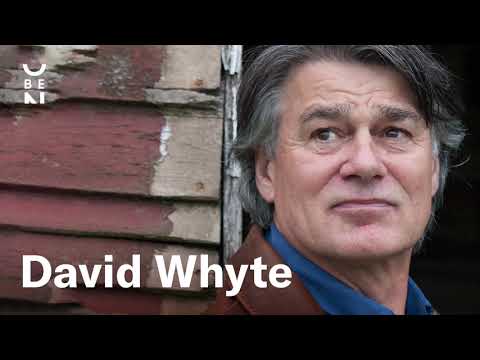
David Whyte – The Conversational Nature of Reality
Krista Tippett talks with the poet David Whyte, in a 2016 conversation for On Being, about the idea under all his work: that reality is conversational, and the only real place is the frontier between what you think is you and what is not. He traces it to two years of attention as a naturalist in the Galápagos, where he found his identity depended on how closely he watched things other than himself. From there: poetry as "language against which you have no defenses," vulnerability as something we can only choose how to inhabit, grief for his friend John O'Donohue, genius as the way everything has met in you, and the discipline of asking beautiful questions in unbeautiful moments. He recites "Everything Is Waiting for You" and "Sweet Darkness" from memory.
View Details思想連結
約翰·奧唐納修
受其影響詩人與哲學家
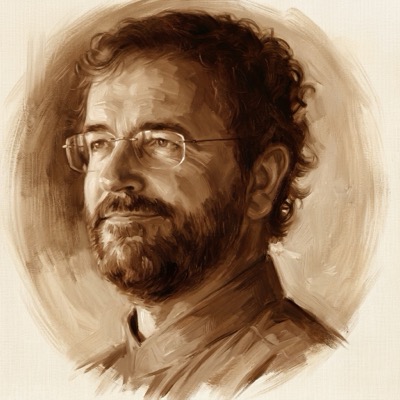
摯友,而且照懷特的說法,是同一個聲音的兩半:「我是詩人哲學家,他會是哲學家詩人,我們像一對書擋。」奧唐納修過世時,「我的另一半消失了」;從那以後,懷特常常起了一個句子,卻覺得是約翰把它說完。他至今仍從奧唐納修的話出發教學——「徹底地讓自己與世界保持原樣」,以及塑造「一顆更美的心靈」,懷特把後者化成了自己的功課:提出美的問題。
youtube.com · youtube.com · youtube.com
卡繆
思想同道作家,荒謬哲學家
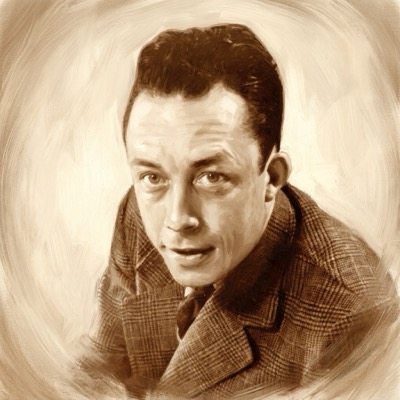
一組懷特隨口道出、卻是認真的配對。解釋為什麼哭泣是身體長大到足以承載它所看見之物時,他伸手去拿卡繆——「一個偉大而充滿愛的命令:活到流淚的地步」——並強調這不是濫情,而是邀請人去感受一切,無論美或悲傷,不築起屏障。卡繆清醒地不肯移開目光於荒謬,懷特不肯移開目光於哀傷,兩者要求的是同一種注意力的鍛鍊。
youtube.com
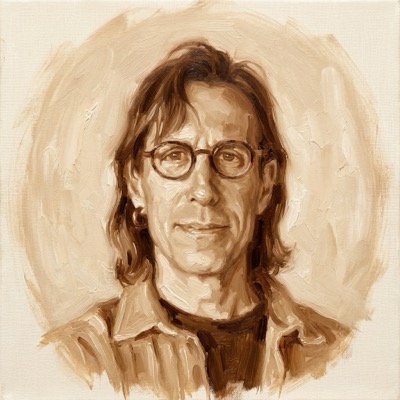
David Abram
思想同道文化生態學家暨哲學家
請當作一組配對來讀:兩位曾經的野外博物學者,帶回了同一份報告。懷特是在加拉巴哥群島當嚮導時學到的——那裡的動物不怕人——「當你專注於世界,你會突然發現,世界也正專注於你。」Abram 把知覺哲學建立在這種相互性上;懷特則把詩學建立在它上面,並稱之為「實在的對話本質」。
youtube.com
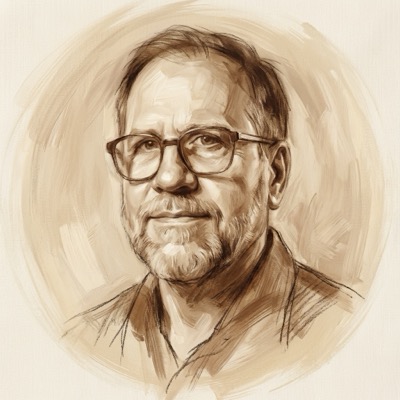
John Vervaeke
思想同道認知科學家與哲學家
一組詩人與認知科學家之間的詮釋性配對,兩人拒絕的是同一種切割。懷特說,他所有的作品都立足於「實在的對話本質」;韋爾維克則主張,對我們重要的東西既不在心裡、也不在外面的世界,而是「被拋擲在兩者之間」——一種真實的關係,他稱之為「跨主客」的。懷特從「你以為是你、與你以為不是你之間的那道邊界」說話;韋爾維克的論證則說,意義正住在那道邊界上。
en.wikipedia.org · youtube.com · youtube.com
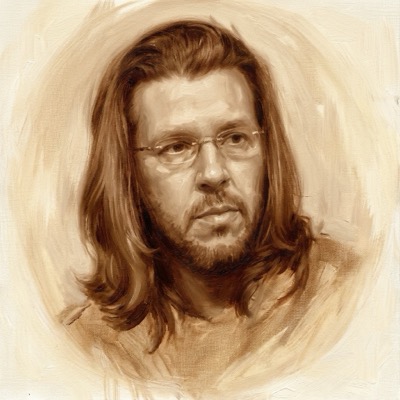
大衛·福斯特·華萊士
思想同道小說家與散文家
兩人都把注意力當成一種道德行為。華萊士對凱尼恩的畢業生說,學會思考,意味著「足夠清醒、足夠覺察,能選擇把注意力放在哪裡」;懷特則要人把注意力一直守著,「直到你給事物取的名字崩解,而它的本質開口回應」。華萊士是從他正在對抗的那種預設的自我中心內部說話;懷特則站在它的另一端——在那裡,那個專注的人消失了。
fs.blog · youtube.com

