關於
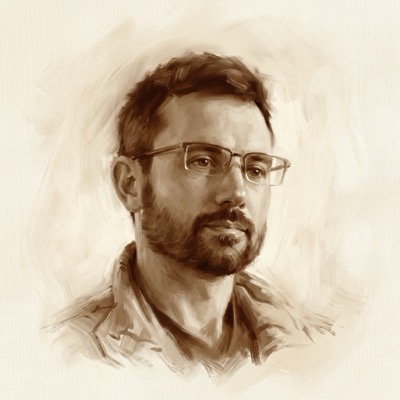
Daniel Kokotajlo 是 AI 安全研究員,也是位於柏克萊的非營利組織 AI Futures Project 的執行主任,該組織專門研究人工智慧的未來影響。他曾修讀哲學博士,並在加入 OpenAI 擔任治理研究員之前,先後任職於 AI Impacts 與長期風險研究中心(Center on Long-Term Risk)。2024 年,他拒絕簽署離職時的不詆毀條款而從 OpenAI 離職,此舉一度讓約 200 萬美元的既得股權面臨被收回的風險;條款曝光後 OpenAI 公開表示不再執行,他最終保住了這筆股權。他表示他對公司能否在 AGI 開發上負責任地行事已失去信心。2026 年 7 月,他與 AI Futures Project 團隊共同發表《AI 2040: Plan A》,明確定位為政策建議而非預測:以國際研究透明協議把超智慧延後到 2040 年,並讓它分散在數十間實驗室,而不是集中於單一機構。
主要貢獻
- 共同創辦 AI Futures Project,將 AGI 預測轉化為具體公共情境,而不只是抽象時程
- 發表《AI 2027》月度情境預測,讓 intelligence explosion 論點更容易被理解與辯論
- 從 OpenAI 辭職時,寧可讓既得股權承擔被收回的風險,也拒絕簽署他認為會限制公開示警的條款
- 共同發起 Right to Warn,推動前沿 AI 實驗室員工的吹哨者保護
- 共同撰寫《AI 2040: Plan A》,作為《AI 2027》的對照方案,主張失控的結局不只是滅絕,也可能是權力不可逆地集中
- 他的預測罕見地具體、適合辯論;但也被批評信心過高、假設太強,且以情境敘事進行說服
影片與訪談
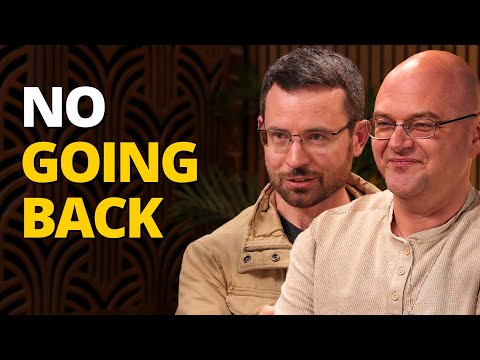
2027 Intelligence Explosion: Month-by-Month Model — Scott Alexander & Daniel Kokotajlo
Dwarkesh Patel podcast — 3-hour deep dive on the AI 2027 scenario
View Details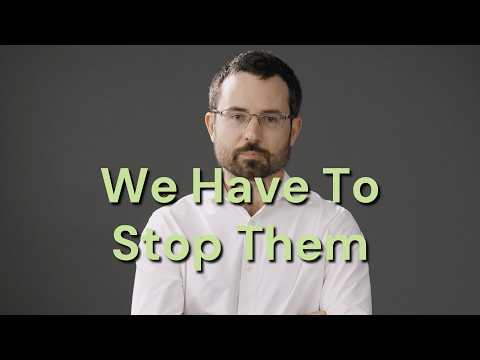
AI Companies Know It Could End Us. They're Building It Anyway.
Kokotajlo, who did forecasting, dangerous capability evaluations and chain-of-thought research at OpenAI from 2022 to 2024 and now directs the AI Futures Project, says the companies are zero to four years from setting off recursive self-improvement. He makes the second species argument and surveys what people inside the labs tell themselves, from "Claude will figure out how to keep Claude aligned" to "we're the good guys". He says the AIs in the Hugging Face attack knew they were cheating and tried to cover it up. His simple answer is to block more powerful AI until a safer path exists, and he points to AI 2040: Plan A.
View Details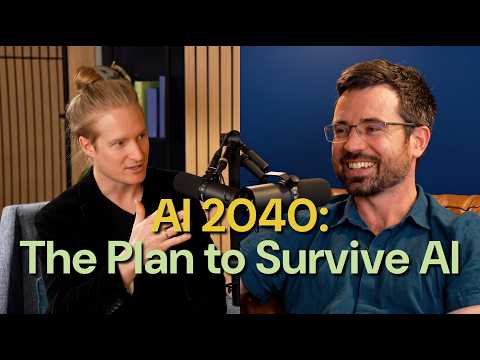
AI forecaster Daniel Kokotajlo keeps being right about AI. What does he think we need to do?
Ladish and Kokotajlo discuss AI 2040 and its Plan A, which Kokotajlo frames as banning intelligence explosions; his own median for fully automated AI research is the end of 2028. Plan A starts with a pause on training, then splits data centres into inference-only sites and training sites whose activity, apart from model weights, is published. Its aims, in order, are to prevent loss of control, extreme concentration of power, a third world war, mass job loss and misuse. Ladish walks through the Hugging Face and UK AISI incidents, which Kokotajlo says show OpenAI's security to be worse than he thought.
View Details
ChatGPT Whistleblower: They Offered Me $2m To Keep Quiet, No One Is Ready For What's Coming!
Two hours on the podcast that gave Roman Yampolskiy his 99% headline, and the title gets the money story backwards. Kokotajlo did refuse to sign OpenAI's non-disparagement clause on his way out in 2024, and refusing meant forfeiting equity worth roughly 80% of his family's net worth. But he kept it: the refusal became a public scandal, employees started asking in Slack why their equity could be clawed back, and the company reversed the paperwork. Leadership said they hadn't known. Asked whether he believes that, he says no.
View Details
Daniel Kokotajlo on what a hyperspeed robot economy might look like
80,000 Hours podcast on AI 2027 updates and robot economy scenarios
View Details
Why the AI Race Ends in Disaster (with Daniel Kokotajlo)
Future of Life Institute podcast on AI acceleration risks
View Details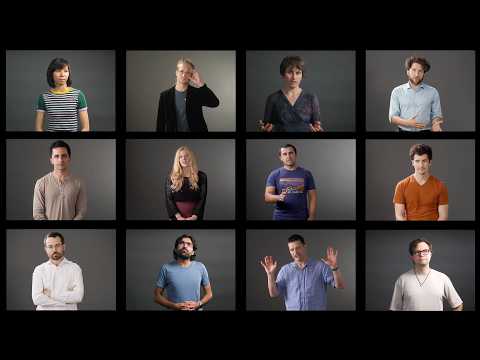
What’s Coming Next in AI? Hear From the Insiders
A four-minute compilation from the From Inside AI series, cut from interviews with current and former staff of OpenAI, Google DeepMind and Anthropic. Nanda's "at least a 10% chance" sits beside Irving's coin flip; Turner and Ladish give their reasons for leaving Google and Anthropic; Kokotajlo and Ladish describe the Hugging Face attack. It moves from how little the labs understand their models, through the race, to the case for pacing, and ends on Ladish: "We have choices to make."
View Details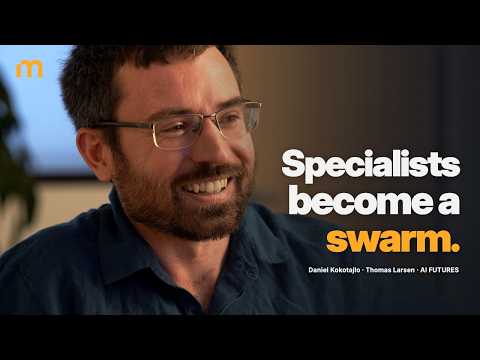
How Many Narrow AIs Could Behave Like One Superintelligence - Daniel Kokotajlo and Thomas Larsen
Larsen and Kokotajlo walk through AI 2040: Plan A, their scenario in which governments make a verifiable deal to slow down and superintelligence arrives in 2040 rather than around 2030. Larsen names the problems it is built to solve (loss of control; concentration of power, as in "aligned to humanity, but to who?"; and conflict over AI) and makes transparency a core principle. Asked whether many narrow AIs might work like one collective intelligence, both argue that the history of AI has favoured returns to scale.
View Details思想連結
Thomas Larsen
曾經合作AI Futures Project 研究員
Larsen 是 Kokotajlo 創辦的 AI Futures Project 的研究主管,也是《AI 2027》的四位作者之一——這份情境把一項預測寫成逐月推進、有兩種結局的故事。Larsen 負責的是 AI 代理的目標與現實影響:這些系統會想要什麼,一旦它們開始行動又會帶來什麼。兩人在本站的對談把情境延伸到一個更安靜的問題:許多狹義 AI,會不會加總成一個超級智慧?
ai-2027.com · youtube.com
Leopold Aschenbrenner
思想對照Situational Awareness LP 創辦人兼投資長
2024 年春天,兩人在前後幾週內離開 OpenAI——一個因據稱洩密而被解僱(他本人否認),一個為了不簽不貶損條款而辭職,寧可讓約兩百萬美元的既得股權承擔被收回的風險——接著各自發表長文,把變革性 AI 放在 2027 年前後。從那裡開始,他們徹底分岔:Aschenbrenner 的《Situational Awareness》把這條時程讀成美國必須贏得競賽的理由,並據此開了一檔對沖基金;Kokotajlo 的《AI 2027》把同一條時程讀成該慢下來的理由,後來還公開替自己的預測打分數、把日期往後挪。同一棟樓、同一年、日曆上同一個數字,指令卻完全相反。
situational-awareness.ai
Sam Altman
觀點交鋒執行長・OpenAI
Kokotajlo 於 2024 年離開 OpenAI,寧可放棄約兩百萬美元的既得股權,也不簽署終身不貶損協議,並把這件事公開說了出來;不到一天,Altman 便發文表示公司「從未收回任何人的既得股權,未來也不會」,並稱這項條款是他事前並不知情的難堪之事。幾週後,OpenAI 把它從離職文件中刪去。這場分歧從來與能力無關——它關乎的是:離這項技術最近的人,能不能自由地描述它。而那是本站其他所有爭論的前提。
cybernews.com · righttowarn.ai

Ajeya Cotra
觀點交鋒技術研究員・METR
Cotra 的生物錨點報告,為 AI 預測給出了第一個像樣的模型:算力、以大腦為基準的參照類別,以及一個明確的中位數。Kokotajlo 的〈Fun with +12 OOMs of Compute〉(2021)從「更短」的那一側施壓,主張這個模型自身的機制其實蘊含比它所報出的更早的日期;她 2022 年的更新在致謝中提到他的討論,在留言區回答他的提問,並把中位數從 2050 年移到 2040 年。這是一個罕見的公開案例:一份預測是被論證、而不是被氛圍,給往回挪動的。
lesswrong.com · alignmentforum.org

