What is art?
The cuts
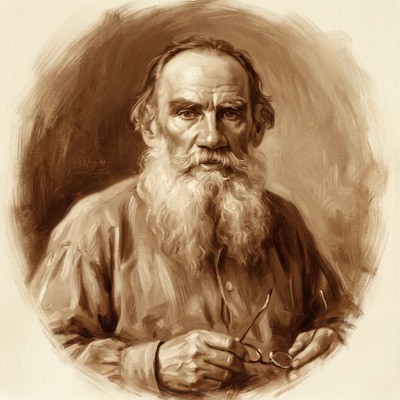
Art is the transmission of feeling — one person infecting others with an emotion they have lived.
Located art in communicated feeling, not in beauty — the first prying-apart.
What Is Art?1897
What makes the Brillo Box art is not how it looks but an atmosphere of theory — an artworld — around it.
Severed art from beauty and from appearance; made it institutional — the cut generative AI tests hardest.
The Artworld1964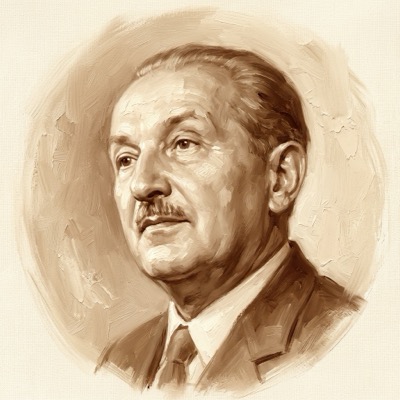
The work of art sets truth to work — it opens a world rather than picturing one.
Made art a disclosure of being, not an object of taste.
The Origin of the Work of Art1935The tensions
Tolstoy cut art free from beauty entirely. Art, in his account, is infection: one person lives a feeling and encodes it in sound, color, or word, and a stranger catches that same feeling whole. By that test, a folk song that moves a room to tears counts as art, and a technically flawless canvas that moves no one does not — a standard severe enough that Tolstoy used it to disown much of his own earlier fiction.
Danto reopened the question from the opposite direction after Warhol’s Brillo Boxes sat in a gallery, indistinguishable by eye from the boxes stacked in any grocery stockroom. What made one art and the other cardboard, he argued, was not appearance but theory: an atmosphere of ideas and history — an artworld — that lets an object mean something it could not mean unadorned. Art became institutional, a matter of who says so and why, and the beauty question dropped out almost entirely.
Heidegger wanted truth back in the frame, though not the truth of an accurate description. A work of art, on his account, does not depict a world so much as open one. Point all three lenses at a machine-generated image and none of them settle easily: is it feeling transmitted, an object waiting on an artworld’s verdict, or a world with no one on the other side to open it for? Somewhere in that gap sits the harder question of who, if anyone, gets to be called the artist.