
About
Zena Hitz is a philosopher and Tutor in the great books program at St. John's College in Annapolis, where she was also an undergraduate. She earned a master's at Cambridge and a PhD in philosophy at Princeton, with scholarship rooted in classical philosophy — particularly Plato and Aristotle's ethics and politics. After years in research academia and a period living in a Catholic religious community, she returned to St. John's convinced that learning matters for its own sake, not for prestige or achievement. Her book Lost in Thought (2020) defends the hidden pleasures of the intellectual life, and she founded the Catherine Project, which offers free great-books education to anyone who wants to read seriously.
Key Contributions
- Authored Lost in Thought: The Hidden Pleasures of an Intellectual Life (2020), translated into multiple languages
- Founded the Catherine Project, a free liberal-arts program teaching great books to adults worldwide
- Received the 2020 Hiett Prize in the Humanities
- Authored A Philosopher Looks at the Religious Life (2023)
- Tutor in the great books program at St. John's College, Annapolis
Videos & Interviews

Connections
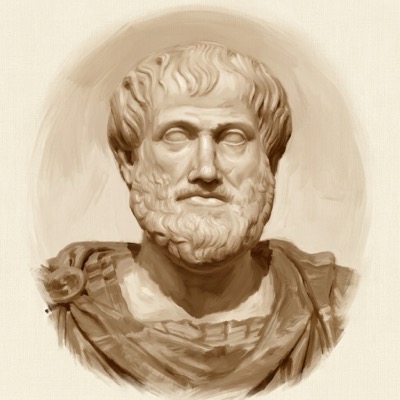
Aristotle
Influenced byPhilosopher & Founder of the Lyceum
Lost in Thought is built on Aristotle's claim at the end of the Nicomachean Ethics, that the highest good is chosen for its own sake and finds its home in contemplative leisure. Hitz keeps the claim and widens it: Aristotle conceived contemplation too narrowly, as the philosopher's activity, when the leisure that crowns a life needs no estate and can be taken in a pause between chores. In an age that measures minds by output, hers is the old argument that thinking is worth doing when nothing is produced by it.
voegelinview.com · philpapers.org
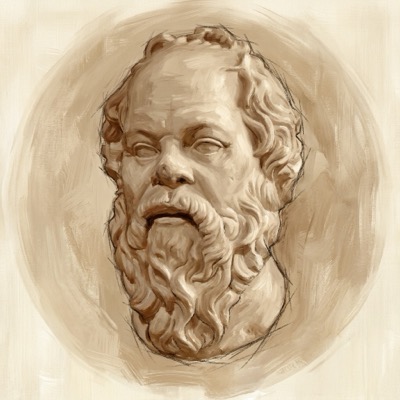
Socrates
Influenced byAthenian Philosopher & Questioner
Lost in Thought takes its emblem from a scene in Plato's Symposium: Socrates, on his way to a dinner party, stopping in a doorway and standing there absorbed. Hitz makes him an exemplar of learning pursued for its own sake, the inner life as a refuge from a world that demands every activity be useful. In an age that measures thinking by its output, a mind that simply stops to think is a quiet rebuke.
commonreader.co.uk · artsfuse.org

