
About
Juan Felipe Cerón Uribe is a research engineer at OpenAI, where he has worked since 2022. He grew up in Bogotá, Colombia, studied at Universidad de los Andes, and moved to the United States to join OpenAI. He started on the work that became ChatGPT. He is now a researcher on OpenAI's Safety Systems team, working on adversarial robustness training and automated red-teaming, including keeping ChatGPT from helping people make bioweapons. He has spoken publicly, in a personal capacity, about the competitive pressure on frontier labs to ship each new model before its risks are understood.
Key Contributions
- Worked on the project that became ChatGPT after joining OpenAI in 2022, and is listed among the GPT-4 Technical Report contributors (2023)
- Co-authored "LLM Critics Help Catch LLM Bugs" (2024) with Nat McAleese, Jan Leike and others, on training models to critique code
- Co-authored "IH-Challenge" (2026), a training dataset for improving instruction hierarchy in frontier LLMs
- Co-authored "GPT-Red: Automated Red Teaming via Self-Play at Scale" (2026)
- Works on safeguards against ChatGPT helping people make bioweapons, and mentored in the OpenAI safety stream of MATS
Videos & Interviews
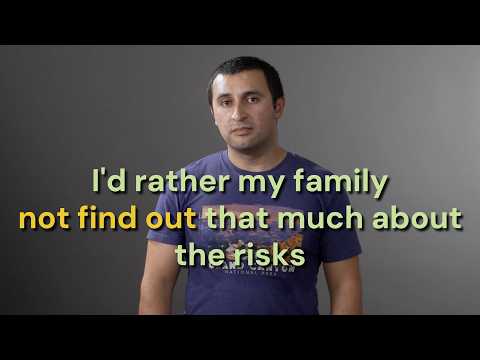
OpenAI Engineer: AI Labs Are “Racing Each Other Kind of Blindfolded”
Cerón Uribe, a research engineer at OpenAI since 2022 who now works on stopping ChatGPT from helping people make bioweapons, says frontier labs are "racing each other kind of blindfolded". He describes pressure to ship flowing down from leadership, and says talk of existential risk at OpenAI has given way to product and revenue as the company grew, with what he calls a loss of academic freedom. He argues that only internationally coordinated pacing counts, and that pacing "gives you time to do homework, but it doesn't do your homework". He stays because his work still reduces large-scale risk, but cannot say that will hold next year.
View Details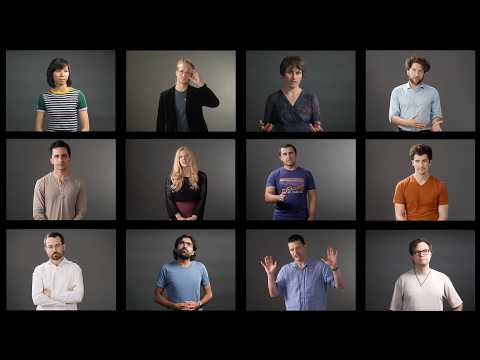
What’s Coming Next in AI? Hear From the Insiders
A four-minute compilation from the From Inside AI series, cut from interviews with current and former staff of OpenAI, Google DeepMind and Anthropic. Nanda's "at least a 10% chance" sits beside Irving's coin flip; Turner and Ladish give their reasons for leaving Google and Anthropic; Kokotajlo and Ladish describe the Hugging Face attack. It moves from how little the labs understand their models, through the race, to the case for pacing, and ends on Ladish: "We have choices to make."
View DetailsConnections
Leopold Aschenbrenner
In contrastFounder & CIO, Situational Awareness LP
Both face the same objection — if American labs slow down, China wins — and answer it in opposite ways. Aschenbrenner answers with a lead: the free world must prevail in this race, and a healthy margin can be 'cashed in' to get safety right; a safety treaty strikes him as fanciful. Cerón Uribe answers that 'there's no unilateral pacing', so the only pacing that counts is 'internationally coordinated pacing.' What they really disagree about is where the time for safety comes from: a lead one side banks, or a slowdown both sides agree to.
situational-awareness.ai · youtube.com
Daniel Kokotajlo
In contrastExecutive Director, AI Futures Project
Two OpenAI insiders with a similar diagnosis and opposite choices. Kokotajlo quit, he says, after losing confidence that the company would behave responsibly around the time of AGI. Cerón Uribe, asked why he doesn't just quit, answers that OpenAI still lets him do work that 'substantially mitigates' large-scale risk — while describing a 'loss of academic freedom' as work is pulled toward the product, and admitting he can't say the answer will hold next year. Read together, they are the two answers open to someone inside a lab: leave, or stay and work.
greaterwrong.com · youtube.com