Demis Hassabis
Chairman, Google DeepMind & Chief Scientist, Alphabet
About
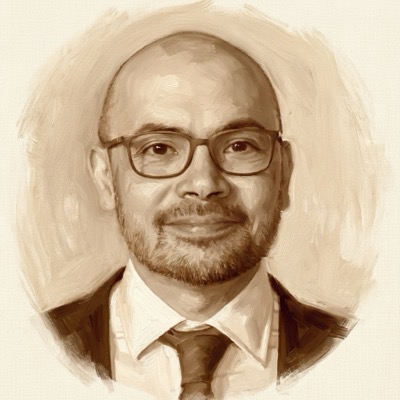
Demis Hassabis is Chairman of Google DeepMind and Chief Scientist of Alphabet, roles he took in August 2026 after sixteen years as DeepMind's CEO, handing day-to-day leadership to Koray Kavukcuoglu. A former child chess prodigy and video game designer, he founded DeepMind in 2010 with the mission to 'solve intelligence.' Under his leadership, DeepMind created AlphaGo, AlphaFold, and other breakthrough AI systems. He received the 2024 Nobel Prize in Chemistry for AlphaFold's contribution to protein structure prediction.
Key Contributions
- Built an unusual bridge from chess and game design into neuroscience and AI, including early work before DeepMind
- Founded DeepMind in 2010 with the explicit goal of building general-purpose learning systems, later selling it to Google
- Led AlphaGo, whose 2016 victory over Lee Sedol made reinforcement learning and self-play visible far beyond AI research
- Led AlphaFold's protein-structure work, sharing the 2024 Nobel Prize in Chemistry for its scientific impact
- Turned DeepMind into a template for AI-for-science, from games and protein folding to weather, materials, and biology projects
- Embodies the promise and tension of corporate AI science: public research breakthroughs inside one of the world's largest tech companies
- Stepped back from the CEO role in August 2026 to chair Google DeepMind and serve as Alphabet's chief scientist, the same day Jeff Dean left Google to found Discovery Loop
Videos & Interviews
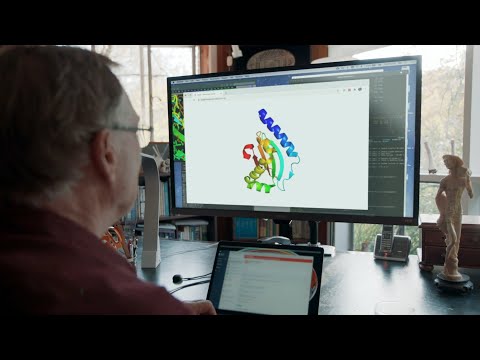
AlphaFold: The making of a scientific breakthrough
DeepMind documentary on solving the protein folding problem
View Details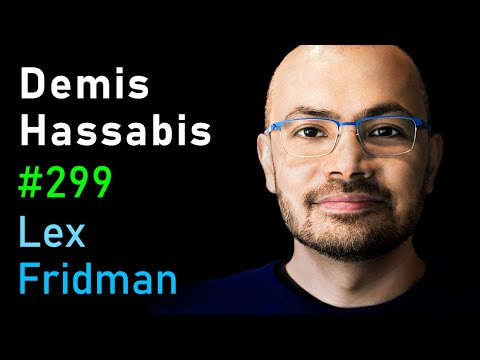
Demis Hassabis: DeepMind - AI, Superintelligence & the Future of Humanity
Lex Fridman Podcast - Deep dive into DeepMind's mission and achievements
View Details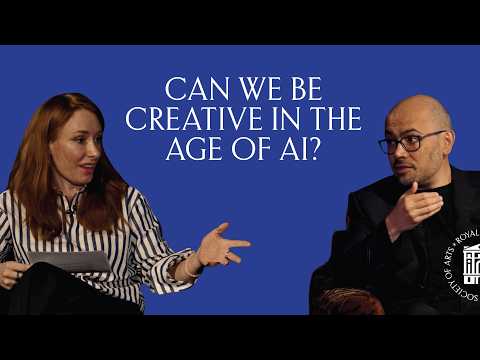
Sir Demis Hassabis on Creativity and AI | Will AI Change How We Create? | Hannah Fry
An evening at the Royal Society of Arts, in the room where the telephone and the electric light were first shown to the British public. Hassabis, receiving the year's medal, describes himself as led creatively and intuitively rather than logically, despite a training that was entirely on the scientific side, and places us in what he calls the foothills of the singularity — a few years from full AGI, with society not yet ready. Fry presses him on what that leaves for human creativity, and on why his office was named after Da Vinci
View Details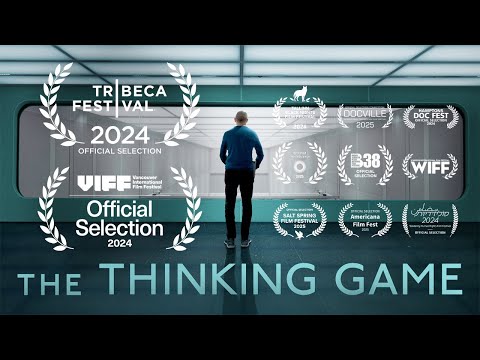
The Thinking Game | Full documentary | Tribeca Film Festival official selection
Documentary following DeepMind's journey to build AI that can think, featuring the story behind AlphaGo and beyond
View DetailsConnections
Mustafa Suleyman
CollaboratedCEO, Microsoft AI
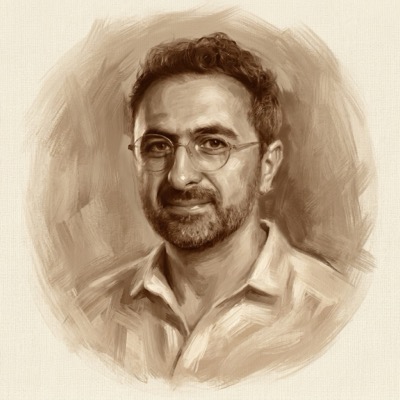
Co-founders of DeepMind in 2010, with Shane Legg. Hassabis brought the neuroscience and the research agenda; Suleyman built the applied side and stood up the health and ethics units, which is where the company first had to answer in public for what its systems did to people rather than to benchmarks. They have since ended up running competing labs, and the distance between them is instructive: Hassabis argues from what the science can reach, Suleyman from what a technology can be contained within. Both now say the pace is a problem, and they arrived there by different routes.
en.wikipedia.org · The Coming Wave (Crown, 2023) · en.wikipedia.org
Jeff Dean
CollaboratedCo-founder, Discovery Loop
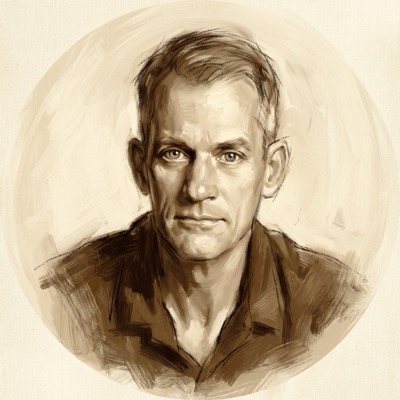
For three years they ran Google's AI as a pair: when Brain and DeepMind were merged in April 2023, Hassabis became CEO of the combined lab and Dean its Chief Scientist — the builder of the infrastructure seated beside the builder of the agents. On stage in 2025 Dean still spoke of 'my colleague Demis' winning the Nobel as if reporting a household event. Then on 5 August 2026 both stepped aside on the same day, Dean to found Discovery Loop, Hassabis to chairman and Alphabet chief scientist, inheriting the title Dean left behind.
blog.google · the-decoder.com · youtube.com
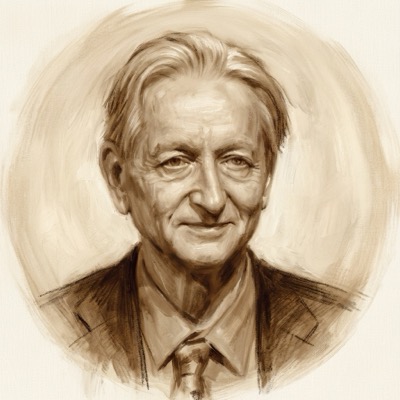
Geoffrey Hinton
Influenced byAI Pioneer & Researcher
Hassabis names three founding tenets for DeepMind in 2010: deep learning, which Hinton and his students had 'just sort of invented in academia but no one in industry knew about,' reinforcement learning, and a decade of new neuroscience. He had gathered the third as a postdoc at the Gatsby Unit, the computational-neuroscience lab Hinton founded at UCL, and it was there he met Shane Legg. In October 2024 the two men were given Nobel Prizes a day apart — physics for the foundations, chemistry for what had been built on them.
youtube.com · en.wikipedia.org · sainsburywellcome.org
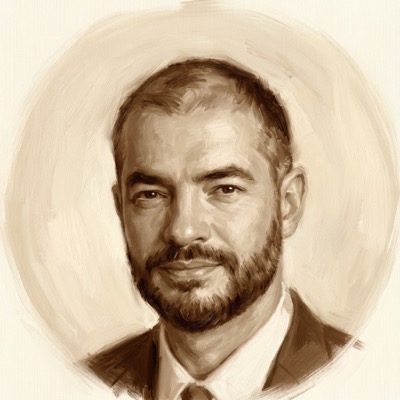
Ilya Sutskever
CollaboratedCo-founder, Safe Superintelligence Inc.
Before the labs became rivals, both names appear on the 2016 Nature paper behind AlphaGo — Sutskever midway through the author list, Hassabis in the final position that marks the lab's director. Sutskever was at Google Brain then, Hassabis at DeepMind down the corridor. Self-play and reinforcement learning were a game-playing curiosity at the time; years later they became central to how both companies train models to reason.
nature.com · Mastering the game of Go with deep neural networks and tree search, Nature 529 (2016)