François Chollet
AI Researcher & Creator of Keras
關於
François Chollet (b. 1989) is a French AI researcher, creator of the Keras deep-learning framework, and author of 'On the Measure of Intelligence' (2019), which redefined intelligence as skill-acquisition efficiency: the ability to handle problems you were never trained on, rather than accumulated performance. To make the definition testable he created ARC, a benchmark of novel abstraction puzzles that resisted the field's best systems for years while other benchmarks saturated. After a decade at Google he co-founded Ndea in 2024 to pursue AGI research guided by that definition, and co-launched the ARC Prize.
主要貢獻
- Created Keras, one of the most widely used deep learning frameworks
- Redefined intelligence as skill-acquisition efficiency in 'On the Measure of Intelligence' (2019)
- Built the ARC benchmark — novel tasks outside every training distribution — to make the definition operational
- Co-founded the ARC Prize, making resistance-to-memorization a public research target
- Co-founded Ndea (2024) to pursue program-synthesis routes to general intelligence
論文與出版物
思想連結
約翰·麥卡錫
思想對照電腦科學家與 AI 之父
兩人都寫下了一個定義智能的說法,並各自形塑了其後的一切——而這兩個定義幾乎相反。麥卡錫的達特茅斯提案主張:智能的每一個面向,原則上都能被精確描述到讓機器可以模擬——這個前提創立了一個領域,卻也悄悄把它的問題假設掉了。Chollet 拒絕的正是這一步:智能不是任何可被指定的技能,而是在指定從未預見的問題上習得技能的效率。相隔七十年,他們是本站問題〈什麼是智能?〉的兩極。
Gary Marcus
思想同道認知科學家、AI 批評者與作家
同一個異議的兩種版本,語域不同。Marcus 以文章與著作論證深度網路缺乏穩健的抽象能力,一離開訓練分布就會崩壞;Chollet 則選擇造一個基準——ARC,由任何訓練集都不包含的任務組成——把同樣的主張變成一件實驗室可以當眾失敗的事。兩相對讀,就看得出一種批評只是得分,另一種則是遞給對手一條乾淨的路,讓他們有機會證明你錯了。
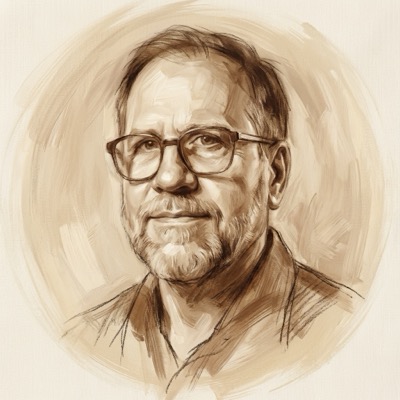
John Vervaeke
思想對照認知科學家與哲學家
本站的問題〈智能可以被測量嗎?〉把他們直接推到彼此對面。Chollet 的答案是:可以,只要你測的是對的東西——在任何訓練集都不包含的任務上,測量技能習得的效率,而 ARC 存在的理由正是如此。Vervaeke 的答案是:任何固定的基準都已經先告訴了系統什麼算是任務,而通用智能恰恰是重新框定的能力——在無人提示的情況下,自行決定任務究竟是什麼。這場分歧不在於測驗該有多難,而在於測驗這件工具本身是否對得上。
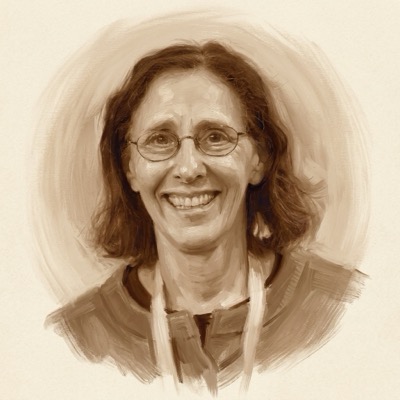
Melanie Mitchell
思想同道聖塔菲研究所教授
同一個賭注的兩個世代:抽象與類比是智能的核心,缺少它們的系統將持續以富有啟示性的方式失敗。Mitchell 在 1980 年代打造 Copycat,把類比形成建模為知覺;數十年後,Chollet 打造 ARC,作為一個恰恰針對 Copycat 所追求之抽象能力的基準。兩人都不認為光靠規模就能抵達——也都花了多年時間,聽人說下一個模型就會證明他們錯了。