關於
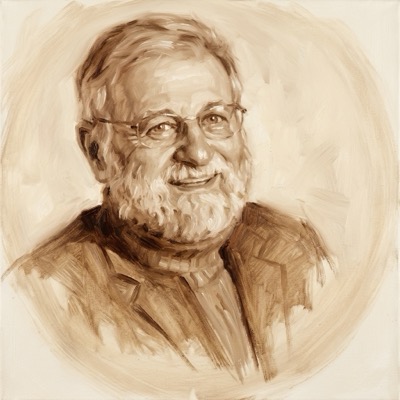
Donald Arthur Norman is an American cognitive scientist, design theorist, and author who coined the term 'user experience' while at Apple in the early 1990s. He is best known for The Design of Everyday Things (1988), which introduced affordance-based thinking to design. He co-founded the Nielsen Norman Group with Jakob Nielsen and directs The Design Lab at UC San Diego. His work bridges cognitive science, human-computer interaction, and industrial design, shaping how an entire discipline thinks about usability.
主要貢獻
- Wrote 'The Design of Everyday Things,' turning doors, switches, mappings, and feedback into everyday lessons for HCI
- Popularized affordances and signifiers in design, adapting Gibson's ecological psychology for product teams
- Helped coin and institutionalize 'user experience' while at Apple's Advanced Technology Group
- Co-founded Nielsen Norman Group, bringing usability testing and research methods into mainstream product practice
- Wrote on emotional design, showing that usability also depends on affect, pleasure, and trust
- Later criticized narrow human-centered design when it ignores systems, sustainability, and the social costs of optimizing for individual users
影片與訪談
Don Norman: 3 ways good design makes you happy
TED talk on the three emotional cues — visceral, behavioral, reflective — that well-designed products must hit
View Details
It's not you. Bad doors are everywhere.
Vox documentary on 'Norman Doors' — doors whose design tells you to do the opposite of what you should
View Details思想連結
James J. Gibson
受其影響Psychologist & Founder of Ecological Psychology
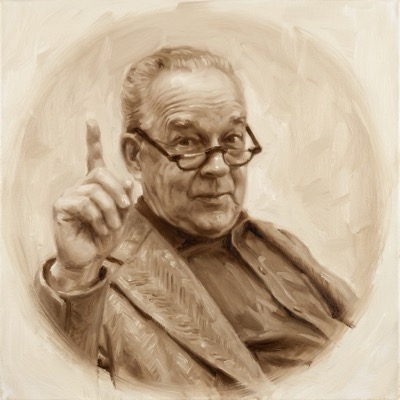
Norman 在 1988 年把「可供性」(affordance)從 Gibson 的生態心理學帶進設計領域,途中卻把它縮窄了:Gibson 指的是環境實際提供給動物的東西,不論是否被察覺;Norman 的讀者則把它理解成使用者看得見的行動可能。到了 2013 年,他承認這個偏移,把概念一分為二:可供性決定什麼是可能的,指示符(signifier)告訴你該在哪裡動手。這次修補本身就是一堂課:一個概念跨越學科時會怎樣變形。
Donald Norman, The Psychology of Everyday Things (1988); revised as The Design of Everyday Things (2013) · en.wikipedia.org

John Maeda
曾經對談GitHub Design 與 Microsoft CoreAI Design 工程副總裁
2012 年,PARC 讓兩人同台對談設計與創新,Norman 自己的紀錄寫下了結果:他想談複雜的設計——互動、規劃;當時擔任 RISD 校長的 Maeda,想談的卻是字體之美、刀子之美,甚至辦公椅之美。「所以我們沒有接上線。」十四年後,Maeda 在一場談 AI 與產品設計的演講結尾,搬出 Norman 的「執行鴻溝」與「評估鴻溝」,主張 agent 抹平了前者,讓後者成了設計的全部工作——讀起來,像是那場對話終於走到了 Norman 當年想去的地方。
jnd.org · goodreads.com · youtube.com

