312 - Understanding Pi Durable with Mario & Armin of Earendil
@fragmentedpodcast
Featuring

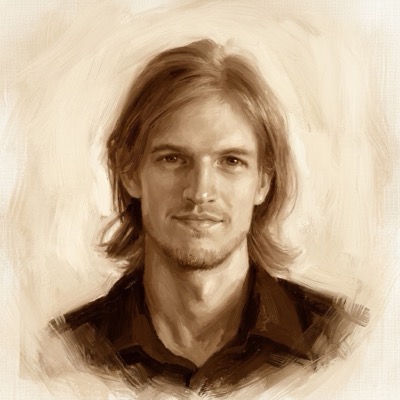
Pi’s creator Mario Zechner and Earendil co-founder Armin Ronacher explain why a coding agent whose sessions nobody misses needed a durable sibling: OpenClaw showed the demand for long-running agents, non-technical users can’t revive a dead one, and cloud compute comes as “slices of compute” that end. Ronacher traces the word itself to durable workflows (Cadence, which became Temporal, and a .NET workflow engine before it), then explains the one place Pi Durable breaks with that tradition. Temporal re-runs code to find its place again, which needs “100% level of determinism” and loses the thread whenever the code changes; Pi Durable writes the place down, because models “prefer the explicit way.” Zechner’s unit is the “effect sandwich”: store the intent, do the thing, store the result. A crash in the middle leaves a record of what was about to happen but not whether it did, so tools marked replay-safe, like read, simply run again, while bash, “the big bad monster in the room,” comes back to the model as interrupted. The second half turns to multiplayer agents, where joining someone else’s session can mean taking over their credentials, and to self-improving harnesses, which they argue fail on the goal and its evaluator, not on the loop.

