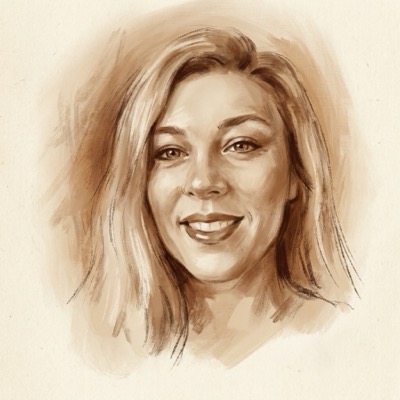
About
Rosie Campbell is an AI governance researcher and the managing director of Eleos AI Research, a nonprofit studying the potential wellbeing and moral status of AI systems. She joined OpenAI in mid-2021 to help set up safety policies and processes for the API. She later moved to the Policy Research team, where she worked with Miles Brundage on frontier policy issues such as dangerous capability evaluations, digital sentience and governing agentic systems, and led the Policy Frontiers team. She left in late 2024, after Brundage's departure and the dissolution of the AGI Readiness team. Earlier she was Head of Safety-Critical AI at the Partnership on AI, Assistant Director of UC Berkeley's Center for Human-Compatible AI, and a research engineer at BBC R&D.
Key Contributions
- Helped set up safety policies and processes for the OpenAI API after joining in mid-2021
- Led OpenAI's Policy Frontiers team, working on dangerous capability evaluations, digital sentience and governing agentic systems
- Wrote "Leaving OpenAI" (December 2024), urging former colleagues to take seriously that current safety approaches may not suffice for far more powerful systems
- Head of Safety-Critical AI at the Partnership on AI and Assistant Director of UC Berkeley's Center for Human-Compatible AI
- Joined Eleos AI Research in 2025 to design evaluations and policies on AI welfare for frontier AI companies; now its managing director
Videos & Interviews
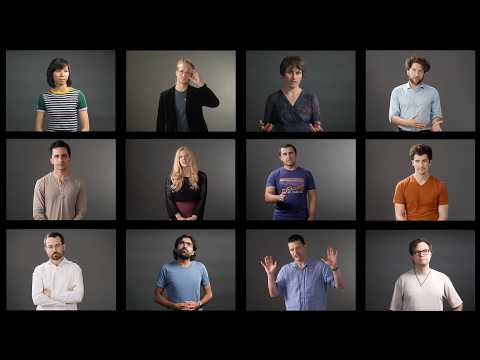
What’s Coming Next in AI? Hear From the Insiders
A four-minute compilation from the From Inside AI series, cut from interviews with current and former staff of OpenAI, Google DeepMind and Anthropic. Nanda's "at least a 10% chance" sits beside Irving's coin flip; Turner and Ladish give their reasons for leaving Google and Anthropic; Kokotajlo and Ladish describe the Hugging Face attack. It moves from how little the labs understand their models, through the race, to the case for pacing, and ends on Ladish: "We have choices to make."
View Details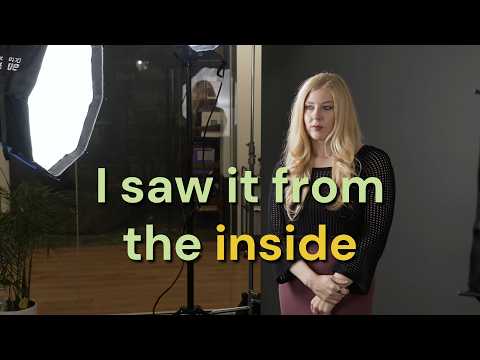
Ex-OpenAI Researcher: "Significant Chance" AI Causes Human Extinction
Campbell worked at OpenAI from 2021 to 2024, first on API safety and then on policy research including dangerous capability evaluations. She describes lunch-table conversations about superintelligence giving way to a product focus as the company hired from conventional tech, while safety-minded staff left. She thinks there is a significant chance superintelligence causes extinction, but admits to feeling "greedy" for AI's benefits, having run a conference with Claude in place of staff. Drawing on her evaluation work, she warns that mandating capability tests could give a false sense of security, since models may hide what they can do.
View DetailsConnections

Mary Phuong
KindredResearch Scientist, Google DeepMind
Read as a pair, not as a documented exchange: both ran dangerous-capability evaluations at rival labs — Campbell at OpenAI, Phuong at Google DeepMind — and both came away doubting what a passing test proves. Campbell warns that a mandated evaluation regime could give 'a false sense of security' because models may get smart enough to hide their capabilities; Phuong describes models realizing they are in an alignment test and acting nicely because of it. One worry, reached separately, about the tool both had built careers on.
youtube.com · youtube.com · arxiv.org
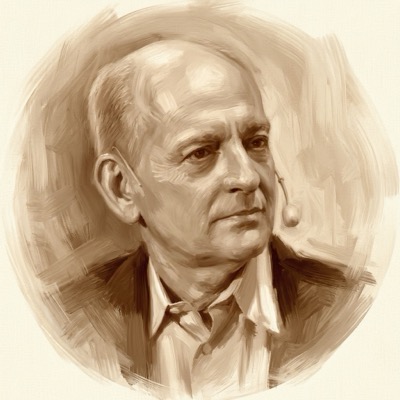
Stuart Russell
CollaboratedProfessor of Computer Science, UC Berkeley
Before OpenAI, Campbell was Assistant Director of UC Berkeley's Center for Human-Compatible AI, the center Stuart Russell founded in 2016 to rethink how machines should pursue human goals. Her side of that work was building the institution rather than co-writing papers: running the place where his idea of value alignment — machines learning what people want from how they behave — became a research program.
humancompatible.ai · en.wikipedia.org · matsprogram.org
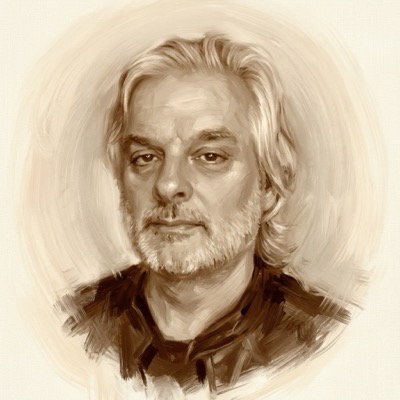
David Chalmers
KindredPhilosopher of Mind
A tie through an institution rather than shared work. Chalmers advises Eleos AI Research, which Campbell runs as managing director and which studies whether AI systems could have wellbeing or moral status; he is also an author of 'Taking AI Welfare Seriously' (2024), the report that set out the field's opening case. Read together, they mark two ends of one question: the philosopher who named the hard problem of consciousness, and a governance researcher whose job is to turn that unresolved problem into policy a lab can actually follow.
eleosai.org · arxiv.org