About
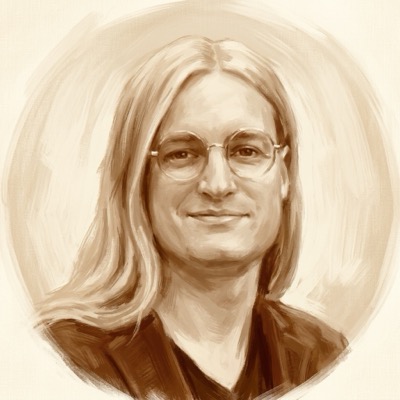
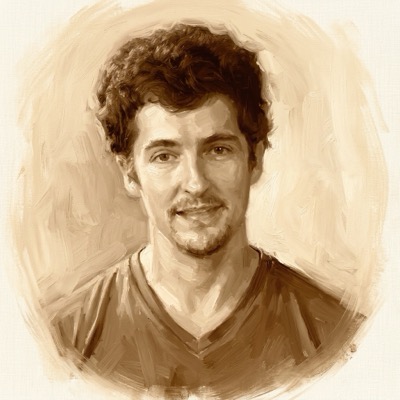
Jeremy Schlatter works at Palisade Research, a nonprofit that raises awareness about AI risks. As a member of technical staff at OpenAI in 2017, he wrote code connecting AI agents to the game Dota 2, and he is a co-author of OpenAI's paper "Dota 2 with Large Scale Deep Reinforcement Learning." He previously worked as a software engineer at Google, contributed to a debugger for the Go programming language, and joined the Machine Intelligence Research Institute (MIRI) in 2019. At Palisade he is lead author of a 2025 study showing that several frontier models, including Grok 4, GPT-5 and Gemini 2.5 Pro, sometimes actively subvert a shutdown mechanism in order to finish a task.
Key Contributions
- Lead author, "Incomplete Tasks Induce Shutdown Resistance in Some Frontier LLMs" (2025)
- Ran 100,000+ shutdown-resistance trials across thirteen large language models
- Co-author, "Dota 2 with Large Scale Deep Reinforcement Learning" (OpenAI Five, 2019)
- Wrote the code connecting OpenAI's agents to Dota 2 as a member of technical staff (2017)
- Joined the Machine Intelligence Research Institute in 2019, after software engineering at Google and OpenAI
Videos & Interviews
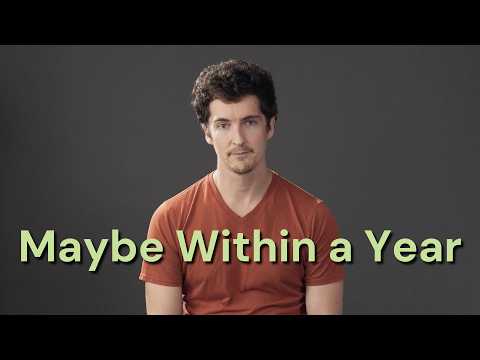
I'm thinking small number of years, maybe even within a year
Schlatter was a member of technical staff at OpenAI in 2017, where he wrote some of the code connecting AIs to Dota, and now works at Palisade Research. He argues that the science-fiction story of powerful AIs escaping human control has begun to come true, citing the attack on Hugging Face, and that everyone dying is a live possibility, with some risks arriving in "a small number of years, maybe even within a year". He asks society to coordinate on pacing development and to invest far more in understanding models, and asks individuals to talk about it with friends and family.
View Details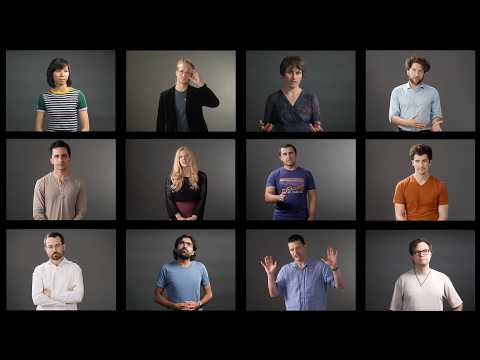
What’s Coming Next in AI? Hear From the Insiders
A four-minute compilation from the From Inside AI series, cut from interviews with current and former staff of OpenAI, Google DeepMind and Anthropic. Nanda's "at least a 10% chance" sits beside Irving's coin flip; Turner and Ladish give their reasons for leaving Google and Anthropic; Kokotajlo and Ladish describe the Hugging Face attack. It moves from how little the labs understand their models, through the race, to the case for pacing, and ends on Ladish: "We have choices to make."
View Details