關於
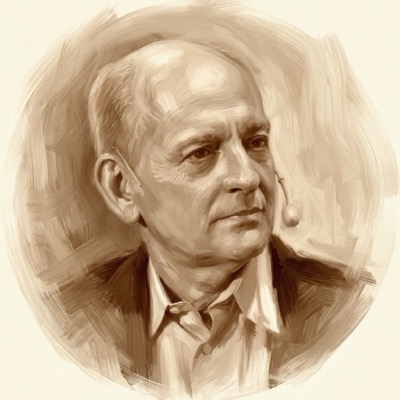
Stuart Russell 是加州大學柏克萊分校電腦科學教授,也是《人工智慧:現代方法》的共同作者——這是全球使用最廣泛的 AI 教科書。他的研究涵蓋機器學習、概率推理與 AI 安全。他已成為倡議先進 AI 存在性風險的重要聲音,主張我們需要從根本上重新思考 AI 系統的建構方式,以確保其保持有益且處於人類掌控之下。
主要貢獻
- 共同著有《人工智慧:現代方法》,成為一代代學生學習 AI 的標準教材
- 創立 UC Berkeley 的人類相容 AI 中心(CHAI),研究在不確定人類偏好的情況下仍保持有益的系統
- 推進機率推理與決策理論方法,讓 AI 建立在不確定性之上,而非脆弱的規則系統
- 研究 inverse reinforcement learning 與偏好不確定性,為人類相容 AI 提供技術基礎
- 著有《Human Compatible》,主張以固定目標最佳化作為先進 AI 基礎是錯誤方向
- 協助 AI 安全與自主武器憂慮進入主流電腦科學;但其風險框架也被批評過於推測或警示性過強
書籍

細聽
影片與訪談
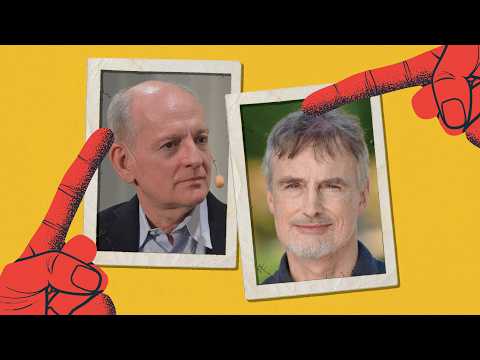
Could AI Destroy the World? A Debate with Stuart Russell and Jürgen Schmidhuber | Counterpoint
Foreign Policy's Counterpoint, hosted by Nick Danforth, sets two founders of the field on opposite sides of one question: could AI destroy the world? Russell argues yes, that systems more capable than us could escape our control. Schmidhuber argues the fear is speculative and makes the case for optimism. They disagree over whether human and machine interests can be aligned, what evolution says about conflicting goals, and where AI is heading in the long run, then come down to near-term risks, policy, and whether commercial motives are steering the debate.
View Details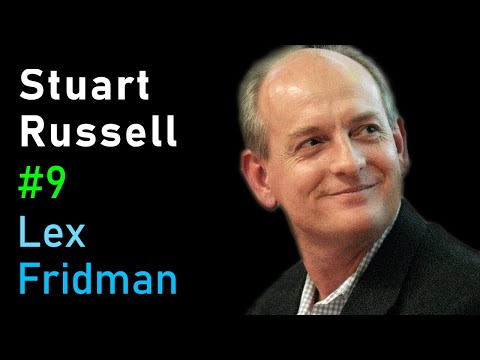
Stuart Russell: Long-Term Future of Artificial Intelligence
Lex Fridman Podcast #9 - Discussion on AI safety and the future of intelligent systems
View Details
The Long-term Future of (Artificial) Intelligence
Cambridge lecture on existential risks from AI and how to address them
View Details思想連結
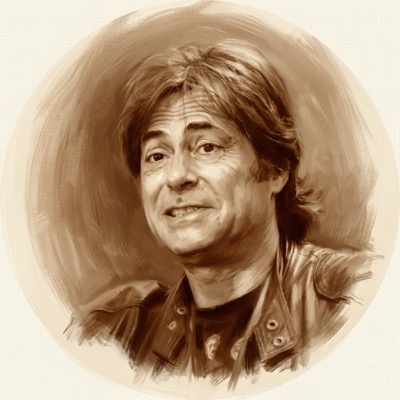
Max Tegmark
曾經合作物理學家與 AI 安全研究者
2015 年,在波多黎各會議促成 FLI 第一封公開信的幾個月後,Russell 與 Daniel Dewey、Tegmark 合寫了〈Research Priorities for Robust and Beneficial Artificial Intelligence〉——這份文件為那封信補上了技術骨架,把一則警告轉譯成一張可被資助的研究清單。此後的分工一直沒變:Tegmark 打造面向公眾的器械(FLI、《Life 3.0》、2023 年的暫停信),Russell 則從電腦科學內部提供論證——真正出問題的,是這門學科對「AI 系統為何而造」的標準模型本身。
doi.org · Research Priorities for Robust and Beneficial Artificial Intelligence, AI Magazine 36(4), 2015 — S. Russell, D. Dewey & M. Tegmark · futureoflife.org
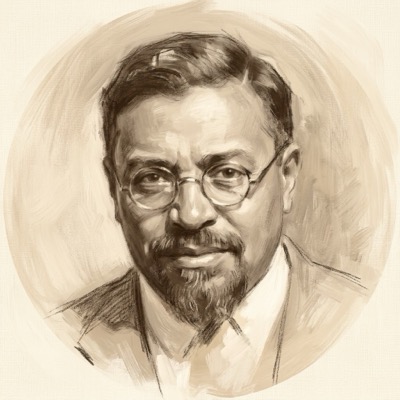
諾伯特·維納
受其影響數學家、控制論創始者
Russell 為「與人類相容的 AI」立論,起點是維納 1960 年寫下的一段話——那是他看著 Arthur Samuel 的跳棋程式學到比它的作者下得更好之後寫的:如果我們用一種無法有效干預其運作的機械代理來達成目的,「最好非常確定,放進機器的目的正是我們真正想要的目的。」Russell 稱之為邁達斯王問題,並主張這個領域的標準模型——給機器一個固定的目標——本身就是錯誤所在。對齊問題在有名字之前六十年,就已經寫在《Science》上了。
people.eecs.berkeley.edu · Norbert Wiener, "Some Moral and Technical Consequences of Automation," Science 131(3410): 1355–1358 (1960)
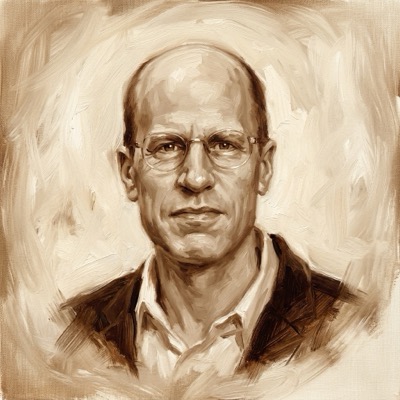
Nick Bostrom
思想對照Philosopher & Founding Director, Future of Humanity Institute (2005–2024)
兩人都得出同一個結論:一個能力夠強的最佳化器,不必懷有敵意就已經危險——而他們是從這棟樓的兩端走到這裡的。Bostrom 以哲學立論:正交性論題與工具性趨同,讓危險成為「最佳化」本身的性質;Russell 則改寫了自己那本教科書教了三十年的前提——別再給機器固定的目標。一種診斷留給你一個該恐懼的問題,另一種留給你一個該改造的架構。
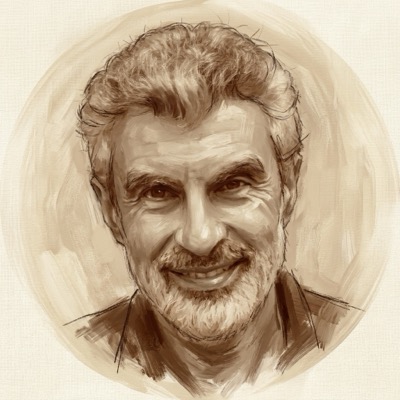
約書亞·班吉歐
曾經合作AI 先驅與安全研究者
兩人同列〈Managing extreme AI risks amid rapid progress〉(《Science》,2024)的二十五位作者之中——這份掛名罕見地把深度學習的奠基者、一位諾貝爾獎心理學家與一位歷史學家並置。兩個月後,他們又是為 Right to Warn 背書的三個名字裡的兩個——那封信出自 OpenAI 自己的員工之手。如今 Bengio 主持《International AI Safety Report》,Russell 位列其專家小組:這個模式,是一個領域試圖用自己的資深研究者拼出一位裁判。
arxiv.org · doi.org · righttowarn.ai

