關於
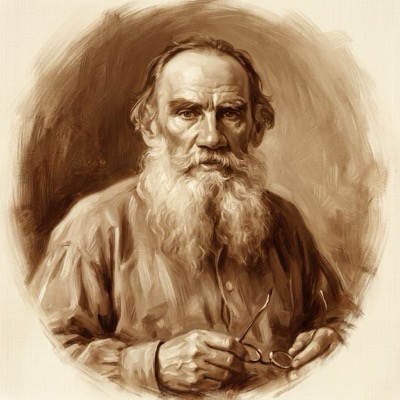
Leo Tolstoy (1828–1910) was a Russian novelist best known for War and Peace (1869) and Anna Karenina (1878), works often ranked among the greatest novels ever written. Following a moral and spiritual crisis in the 1870s, he turned toward Christian anarchism and pacifism, renouncing much of his earlier fiction as morally hollow. In the treatise What Is Art? (1897), he rejected definitions of art built on beauty or pleasure, arguing instead that art is the transmission of feeling: an artist calls up an emotion once experienced and communicates it to others through external signs so that they, too, come to feel it. He judged art's value by its 'infectiousness' and universality — its capacity to convey genuine, shared human feeling across class and culture — a standard by which he controversially dismissed even Shakespeare and Beethoven. His late writing on nonviolence, including correspondence with a young Gandhi, influenced 20th-century movements of nonviolent resistance.
主要貢獻
- Wrote War and Peace (1869) and Anna Karenina (1878), landmark works of world literature
- Argued in What Is Art? (1897) that art is the transmission of feeling from one person to another, not the pursuit of beauty
- Proposed 'infectiousness' and universality as the tests of genuine art, rejecting much celebrated art as insincere
- Developed a Christian anarchist and pacifist philosophy following his 1870s spiritual crisis
- Corresponded with a young Mohandas Gandhi, influencing the development of 20th-century nonviolent resistance
書籍

思想連結
路德維希·維根斯坦
影響了他/她語言與邏輯哲學家
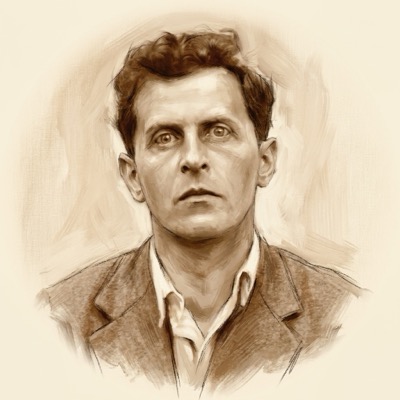
第一次世界大戰期間,身為士兵的維根斯坦在塔爾努夫(Tarnów)的一家書店裡找到托爾斯泰的《福音書摘要》,從此走到哪帶到哪,見人苦惱就推薦,同袍因此叫他「帶著福音書的人」。同一段歲月寫成的《邏輯哲學論》,用的正是那本書獨特的句子編號方式。上個世紀最嚴峻的一部邏輯著作,是在一位小說家談「人為何而活」的書旁寫成的——而它的結尾,正指向邏輯說不出的東西。
en.wikipedia.org
Ted Chiang
思想同道Science Fiction Author
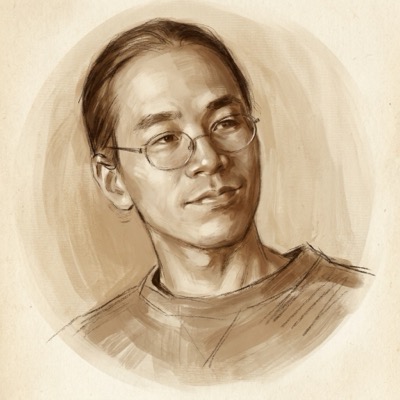
一份跨越百年的共鳴,而非引用。托爾斯泰把藝術定義為某人曾經體驗過、並刻意傳遞給他人的感受;姜峯楠 2024 年的文章〈Why A.I. Isn't Going to Make Art〉主張,語言需要「想要溝通」的意圖,而藝術是許多這類選擇的總和。兩人都把藝術放在發送的那一端、放在一個真的有意要說的人身上,所以他們對生成式藝術的回答相同,也不會因產出看起來多好而改變。
en.wikipedia.org · Ted Chiang, "Why A.I. Isn't Going to Make Art", The New Yorker, 31 Aug 2024
Arthur Danto
思想對照Philosopher of Art & Critic
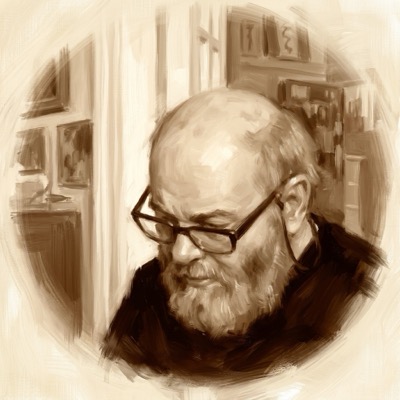
托爾斯泰把藝術放在感受裡:藝術家喚起一段曾經活過的情感,透過外在的符號傳遞出去,讓他人也被「感染」,而感受的真誠就是衡量的尺度。丹托面對一個沃荷的 Brillo 盒,肉眼與超市紙箱無從分辨,於是得出結論:沒有任何可感知的性質,因而也沒有任何對觀者的感受效果,能決定什麼是藝術;作品是在一個由理論與歷史構成的藝術世界中「被體現的意義」。面對一張 AI 生成的圖像,托爾斯泰想知道有沒有人真的感受過什麼;丹托想知道它在說什麼,又是對誰說。
en.wikipedia.org · en.wikipedia.org

