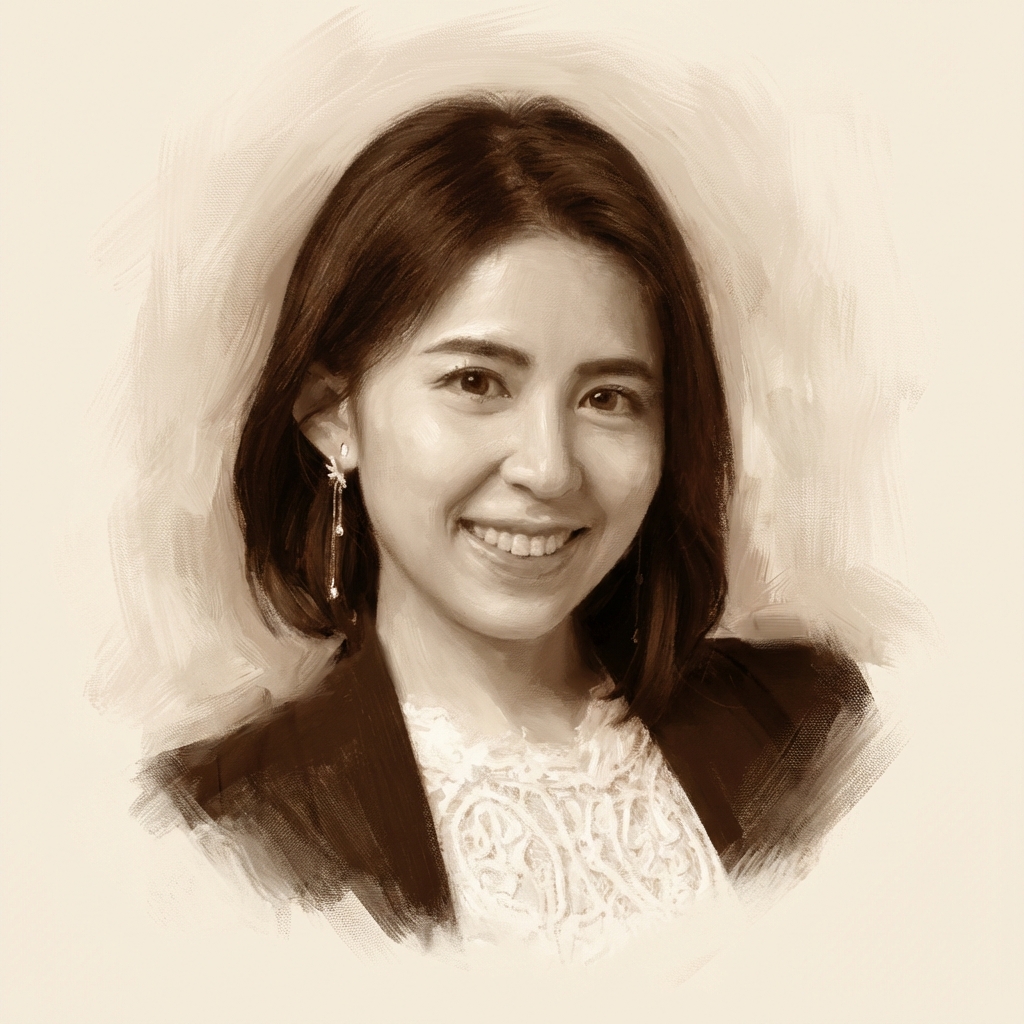
About
Yun-Nung (Vivian) Chen (陳縕儂) is a professor at National Taiwan University's Department of Computer Science & Information Engineering and founder of MiuLab. She earned her Ph.D. from Carnegie Mellon University's Language Technologies Institute in 2015 and was a postdoctoral researcher at Microsoft Research before joining NTU. Her research spans spoken language understanding, dialogue systems, natural language processing, and multimodal AI. Her lab developed Taiwan-LLM, a large language model fine-tuned for Traditional Mandarin. She has received the K. T. Li Young Scholar Research Award, the Ta-You Wu Memorial Award, and the Taiwan Outstanding Women in Science Award.
Key Contributions
- Founded MiuLab at NTU, building a research group around spoken language understanding, dialogue systems, NLP, and multimodal AI
- Helped develop Taiwan-LLM, giving Traditional Mandarin users and researchers a locally adapted open LLM reference point
- Created Applied Deep Learning lectures that made modern NLP and dialogue-system practice accessible beyond her lab
- Published widely in spoken-language and dialogue research while training a local generation of NLP students
- Connects academic research with industry-facing awards and cloud-provider support from Google and AWS
- Her work is important for linguistic sovereignty, though local LLMs still face the hard constraints of data, compute, evaluation, and adoption
Videos & Interviews

深度學習之應用 (2024) — Introduction
Opening lecture of the 2024 Applied Deep Learning course at NTU
View Details
深度學習之應用 (2024) — Language Agents
Lecture on language agents and their architectures in the LLM era
View Details
深度學習之應用 (2024) — Retrieval-Augmented Generation
Lecture covering RAG techniques for grounding LLM outputs
View DetailsConnections
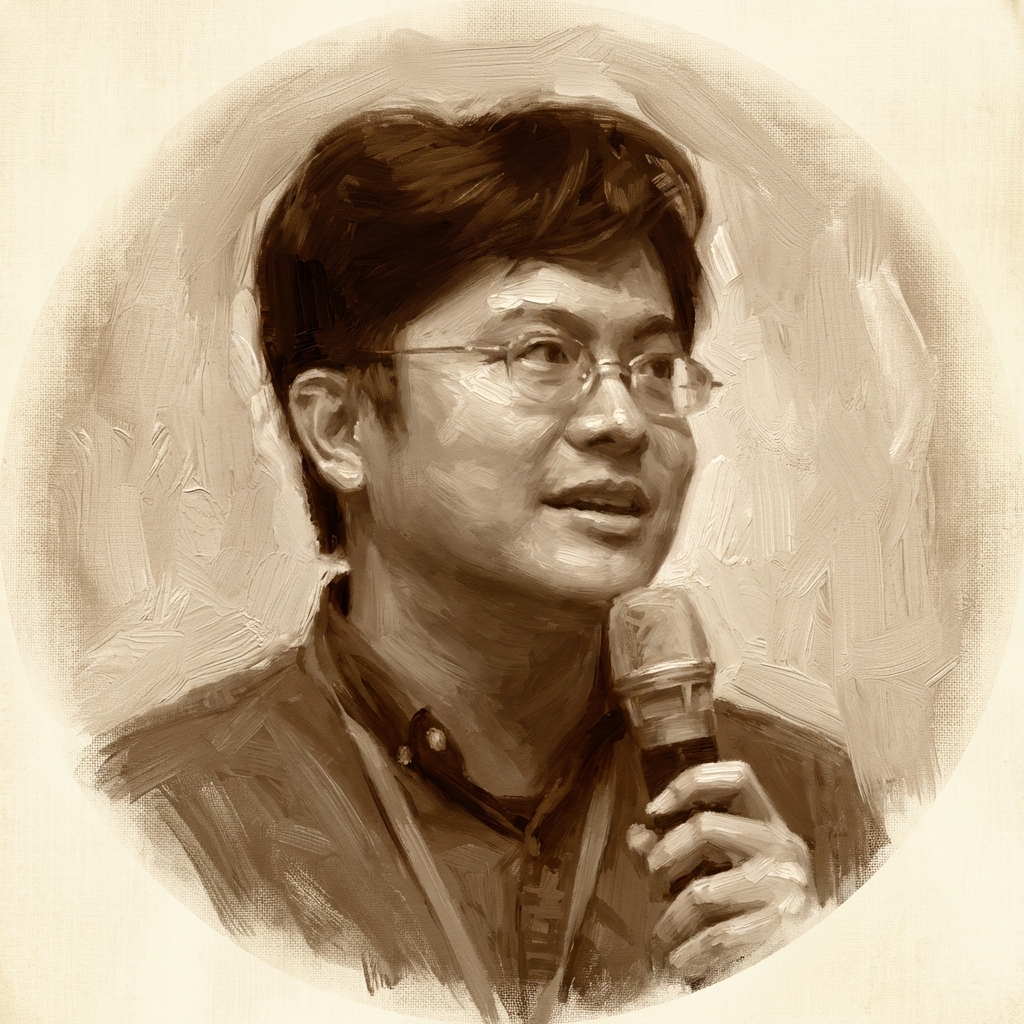
Hung-yi Lee
CollaboratedProfessor, National Taiwan University
The two NTU professors co-taught the fall 2017 course 'Applied Deep Learning × Machine Learning and Having It Deep and Structured' (ADL×MLDS), merging her applied-NLP class with his deep-learning class into one shared lecture series. They have kept co-authoring since, on the LLM era's practical questions: how forcing a model to answer in JSON quietly costs it reasoning ability (Let Me Speak Freely?, 2024), and whether a model knows when to ask its user for help. Between them they taught a large share of the Chinese-speaking world its machine learning.
csie.ntu.edu.tw · arxiv.org · I Need Help! Evaluating LLM's Ability to Ask for Users' Support: A Case Study on Text-to-SQL Generation (EMNLP 2024)
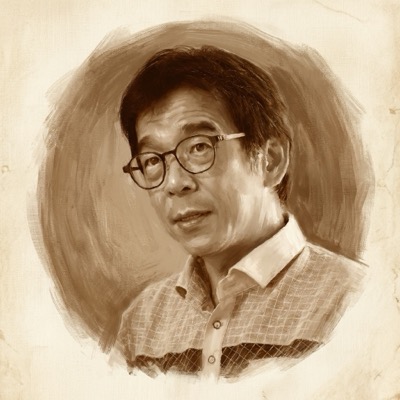
Shu-Kai Hsieh
KindredProfessor, Graduate Institute of Linguistics, NTU
These are two NTU responses to the same imbalance. Hsieh, a linguist, diagnoses it: dominant languages need fewer tokens and have more training data, so a Taiwanese user pays more and gets less. Chen, an engineer, builds against it. Taiwan-LLM, from her lab, is a Traditional Mandarin model aligned to Taiwanese culture, released openly 'to bridge the linguistic divide.' One names the cost and the other pays some of it down.
case.ntu.edu.tw · arxiv.org

