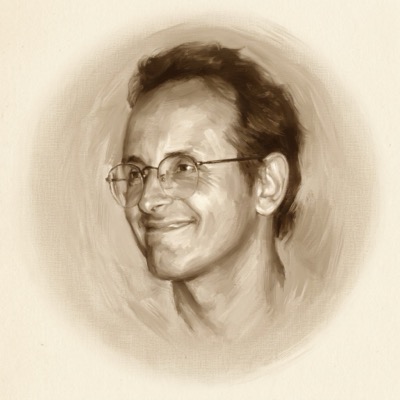
Francisco Varela
Biologist, Philosopher & Neuroscientist
About
Francisco Varela (1946–2001) was a Chilean biologist, philosopher, and neuroscientist whose work bridged cognitive science, phenomenology, and contemplative traditions. With his mentor Humberto Maturana he formulated the theory of autopoiesis, describing how living systems continuously self-produce and self-maintain. With Evan Thompson and Eleanor Rosch he co-authored The Embodied Mind (1991), a foundational text of enactivism that introduced Buddhist philosophy into cognitive science. He developed neurophenomenology as a methodology disciplining first-person experience alongside neural measurement, and in 1987 co-founded the Mind and Life Institute with the Dalai Lama. He spent his final years as Director of Research at CNRS in Paris until his death from hepatitis C.
Key Contributions
- Co-developed autopoiesis with Humberto Maturana, defining living systems by self-production and self-maintenance
- Co-authored 'The Embodied Mind,' the book that made enactivism a serious alternative in cognitive science
- Connected biology, systems theory, immunology, and cognition into a view of mind as living sense-making
- Proposed neurophenomenology, pairing disciplined first-person reports with neuroscience rather than treating experience as noise
- Co-founded the Mind and Life Institute, creating a durable forum between contemplative traditions and science
- His synthesis is fertile but demanding: critics question whether first-person discipline can meet the reliability standards neuroscience needs
Questions they sharpened View the streams
Videos & Interviews

Connections
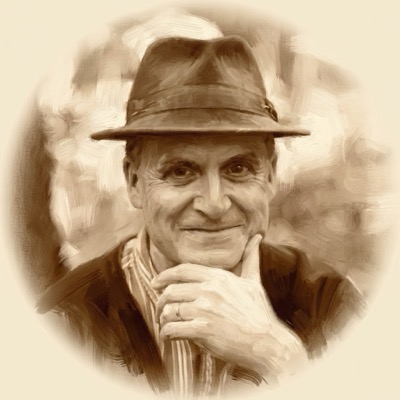
Evan Thompson
CollaboratedPhilosopher of Mind & Cognitive Science
They met at a Lindisfarne conference in 1977 and later worked together at CREA in Paris; with Eleanor Rosch they wrote The Embodied Mind (1991), the book that made enactivism a serious option inside cognitive science rather than a critique from outside it. Varela brought autopoiesis and the biology of the living, Thompson the phenomenological training to ask what experience is actually like. After Varela's death in 2001, Thompson carried the program forward alone in Mind in Life.
en.wikipedia.org · en.wikipedia.org · The Embodied Mind: Cognitive Science and Human Experience (MIT Press, 1991)
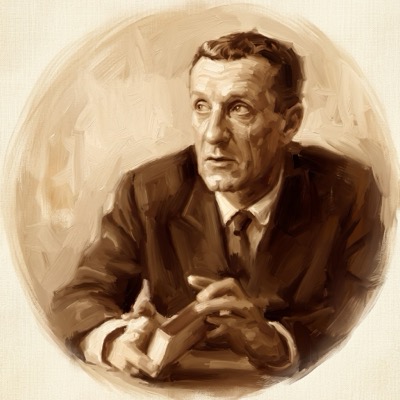
Maurice Merleau-Ponty
Influenced byPhenomenologist & Philosopher
The Embodied Mind opens its first chapter, 'A Fundamental Circularity,' on Merleau-Ponty: we reflect from inside a world that seemed to be there before reflection began, and is not separate from us. Varela turned that circle into a method — neurophenomenology, which pairs disciplined Husserlian and Merleau-Pontian description with neural measurement instead of treating first-person experience as noise to be averaged out.
en.wikipedia.org · The Embodied Mind (MIT Press, 1991), ch. 1 — 'A Fundamental Circularity'