關於
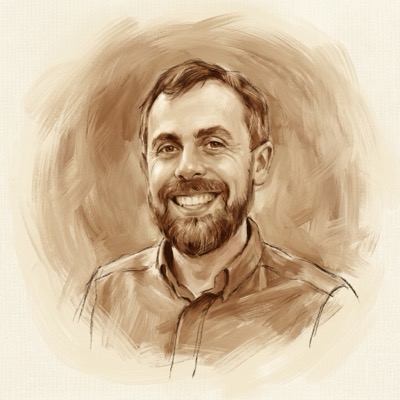
Paul Christiano 是 AI 對齊研究者,也是「基於人類回饋的強化學習」(RLHF)的主要奠基者之一——正是這項技術,把大型語言模型變成了能用的助手。他在 MIT 取得數學學位,在柏克萊取得理論計算機科學博士,2017 至 2021 年間領導 OpenAI 的語言模型對齊團隊,共同撰寫 2017 年的 RLHF 論文,並提出「AI safety via debate」等可擴展監督的方案。2021 年他創立對齊研究中心(ARC),其「引出潛在知識」(ELK)的研究問的是:怎麼讓模型說出它真正相信的東西;ARC 的評估團隊後來獨立成為 METR。2024 年他出任美國 AI 安全研究所(現為 NIST 的 AI 標準與創新中心)安全主管。2026 年 9 月他加入 OpenAI 基金會董事會及其安全與保安委員會,並寫道:「整個 AI 產業,包括 OpenAI」,目前都不在能把災難性失控風險降到可接受程度的軌道上。
主要貢獻
- 共同撰寫〈Deep Reinforcement Learning from Human Preferences〉(2017),奠定 RLHF 的基礎
- 領導 OpenAI 語言模型對齊團隊(2017–2021),並共同提出「AI safety via debate」(2018)
- 創立對齊研究中心(2021),並提出「引出潛在知識」這個問題
- 2024 年出任 NIST 美國 AI 安全研究所安全主管,負責前沿模型的評估工作
- 2026 年加入 OpenAI 基金會董事會及其安全與保安委員會,估計一年內失控風險約 4%、三年內約 15%
影片與訪談
Paul Christiano — Preventing an AI takeover
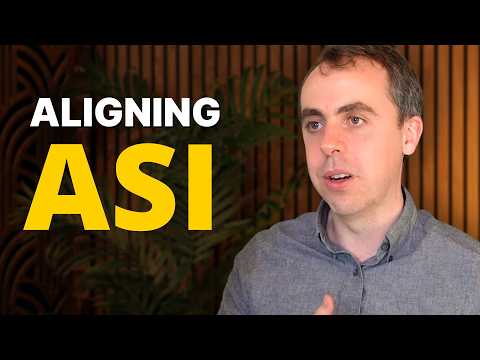
Three hours with Dwarkesh Patel on how an AI takeover might actually happen and what it would take to prevent one. Christiano gives his timelines as numbers he openly calls rough (about 15% by 2030 and 40% by 2040 for AI able to build a Dyson sphere), and offers as his median story a gradual handing-over of control rather than a sudden strike. Asked whether RLHF, the technique he led, was net negative for accelerating AI after ChatGPT, he answers probably yes, but "not super clear." He sets out the responsible scaling policies he has been pushing labs to adopt: name the threats, measure the capabilities, and pause if the promised safeguards can't be met. Then he goes deep on ARC's research bet, a formal account of what makes a good explanation of a model's behavior, so that anomaly detection could notice when a model "goes from thinking it's being trained to thinking it should defect."
View Details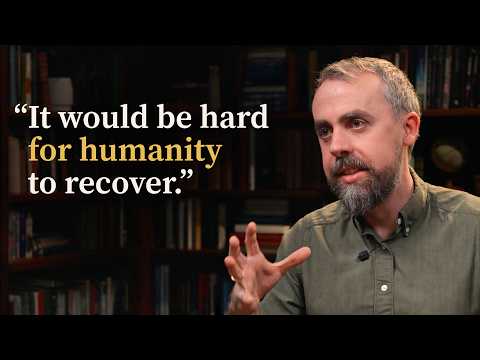
We could be 12 months away from AIs that can overthrow the government
Paul Christiano returns to Dwarkesh Patel three years after their first conversation, now on OpenAI's board and saying more than once that he speaks only for himself. His assessment comes in the first minute: "there's a reasonable chance that in a year we will produce AI systems much better than humans at almost everything, where humans would have very little chance of competing with them or controlling them." He puts the risk of takeover over the next year at "more like a 10% risk than a 1% risk," and the chance of superintelligence within a year at about one in three if development does not slow. Two things moved him in the past two months: hundreds of mathematics results from recent OpenAI and Anthropic systems ("If you had taken the last month and said that was a decade of progress, it would have been an unusually productive decade"), and reporting from METR and Anthropic consistent with the pace of AI progress having roughly doubled.
View Details思想連結
David Robinson
影響了他/她前 OpenAI 安全透明度負責人
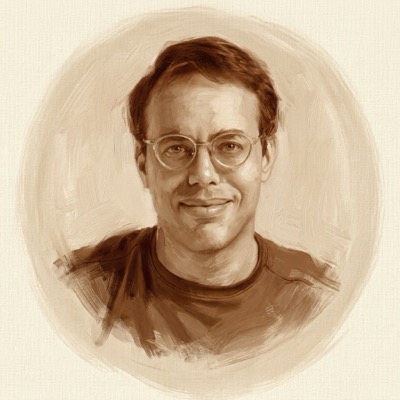
Christiano 在 2026 年 9 月加入 OpenAI 董事會時寫道,「快速的能力躍進有相當的風險,在很近的將來導致災難性且無法挽回的失控」。Robinson 說,正是讀到這句話,他抬頭環顧公司,問自己:如果 Paul 是對的,他所愛的人、以及素不相識的人,會希望 OpenAI 在做什麼?他說他不知道 Christiano 對不對。打動他的是,這樣一個警告所要求的謹慎,和他在這個產業裡見過的任何事都「完全不像」。幾週後他辭職了。
youtube.com · paulfchristiano.substack.com
Dario Amodei
曾經合作執行長暨共同創辦人・Anthropic
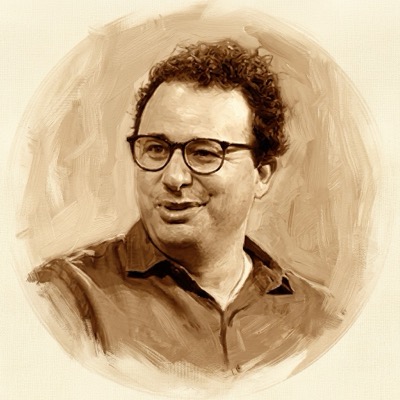
Christiano 是〈Deep Reinforcement Learning from Human Preferences〉(2017)的第一作者,Amodei 是最後一位作者;這篇論文在 OpenAI 完成,合著者還有 Jan Leike、Tom Brown、Miljan Martic 和 Shane Legg。他們讓代理從人類對短片段的比較中學會複雜的行為,而人類回饋只需涵蓋代理不到 1% 的互動。RLHF 就是從這篇論文長出來的。一年後兩人又與 Geoffrey Irving 合寫〈AI safety via debate〉。兩人後來都離開了 OpenAI:Amodei 於 2021 年共同創立 Anthropic,Christiano 同年創立 ARC。
arxiv.org · arxiv.org
Geoffrey Irving
曾經合作Resolution 首席科學家
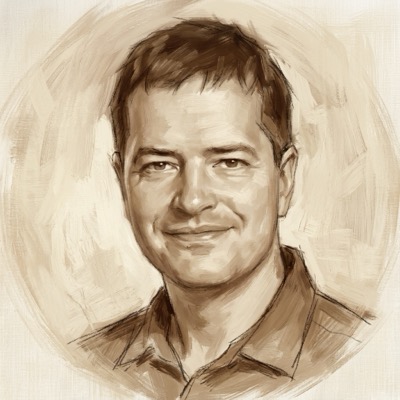
兩人與 Dario Amodei 在 OpenAI 合寫了〈AI safety via debate〉(2018)。這是對 Christiano 反覆回到的那個問題的一種回答:當系統在被評判的任務上比人類還強,人類要怎麼監督它?辯論的做法是讓系統在裁判面前彼此爭論。Christiano 的其他回答——迭代放大(iterated amplification),以及後來在 ARC 的「引出潛在知識」——則從不同方向處理同一道落差。
arxiv.org
Dwarkesh Patel
曾經對談Dwarkesh Podcast 主持人
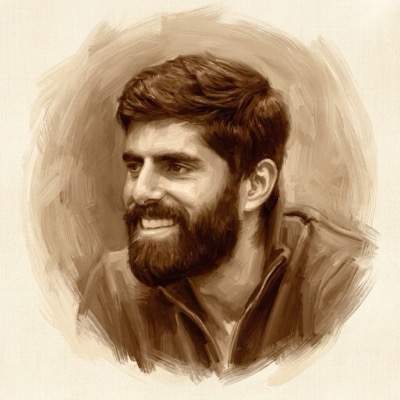
2023 年 10 月一場三小時的對談,談 AI 接管可能會怎麼真的發生:Christiano 心中最可能的版本,是控制權一點一點被交出去,而不是突然的一擊。Patel 追問他:讓 ChatGPT 成為可能的 RLHF,是否因為加速了 AI 而弊大於利?Christiano 的回答是大概是,但「不是很清楚」。這場對談收錄在本站。
youtube.com