
關於
Maggie Appleton is a designer, illustrator and engineer who works at the edge where interfaces meet language models, currently as a Staff Research Engineer at GitHub Next, building prototypes that explore how software engineers might collaborate with AI. She studied cultural anthropology, which she still uses as a lens on design — how people decide something is trustworthy, which way time flows. She spent five years illustrating programming concepts at Egghead, led design at HASH, and was the founding product designer at Elicit, which uses language models to pull reliable data out of research papers. She writes and draws in public at maggieappleton.com, where her essays on digital gardens, end-user programming and language model interfaces have travelled far beyond the design world.
主要貢獻
- A Brief History & Ethos of the Digital Garden (2020), the essay that gave the digital-garden movement its history and vocabulary
- Coined "barefoot developers": people technical enough to push Notion and spreadsheets to their limits but not programmers, whom language models could equip to build home-cooked software for their own communities
- Founding product designer at Elicit (2022–2024), designing interfaces for using language models to speed up scientific literature review
- Illustrated essays that explain programming and AI visually, from five years as illustrator and art director at Egghead
- At GitHub Next, prototypes how teams and many background agents might work together without the agents becoming overwhelming
細聽
影片與訪談
Design Engineering with Maggie Appleton
A cultural anthropologist turned illustrator turned design engineer, now prototyping at GitHub Next, talks with Gergely Orosz about what agents changed in her work and what they did not. Building is faster: she can hand an agent a Figma file and let it loop overnight until the screenshots match. But she still starts with pen and paper, because the agent cannot see what she sees, and she still ends up adjusting padding and transitions by hand, because the design rules she writes down never quite get applied. Her team's open question is what a hundred background agents would look like if they were not annoying. She closes on anthropology as a pair of glasses for engineers: how a thing earns trust, which way time flows, and when someone reaches for your tool are all cultural.
View Details
Home-cooked Software and Barefoot Programmers: Maggie Appleton (Local-First Conf)
Industrial software can only serve the biggest problems of the most people; everything else is the long tail, and no one in Mountain View will build for it. Appleton's bet is that language models move that line. Not for end users, who mostly don't want to program, and not for professional developers, who already have it good, but for the people in between — the teacher with the elaborate Notion setup, the spreadsheet wonk — whom she calls barefoot developers, after China's barefoot doctors. Embedded in their communities, they could build home-cooked apps for local problems, if something glued the models' disconnected Lego pieces into working software. Whoever builds that glue decides the defaults, and she wants local-first to be one of them.
View Details
Design Engineering Night 10: Fortune Telling and Speculative Design with Maggie Appleton
When every morning brings a new model, harness or startup, it is hard to know what is true, let alone how to react. Appleton's answer, from her work at GitHub Next, is to stop waiting for certainty and practise fortune telling on purpose. She walks through her toolkit: the futures cone, weak signals gathered from the feed, second- and third-order effects, structured play (invert it, split it, maximise and minimise it, map it onto a metaphor), artifacts from the future that make a theory tangible, and saying your theories in public, where you have to back them with data. Design engineers, she argues, are the people best placed to make those futures convincing.
View Details思想連結
Bret Victor
受其影響介面設計師暨運算願景家
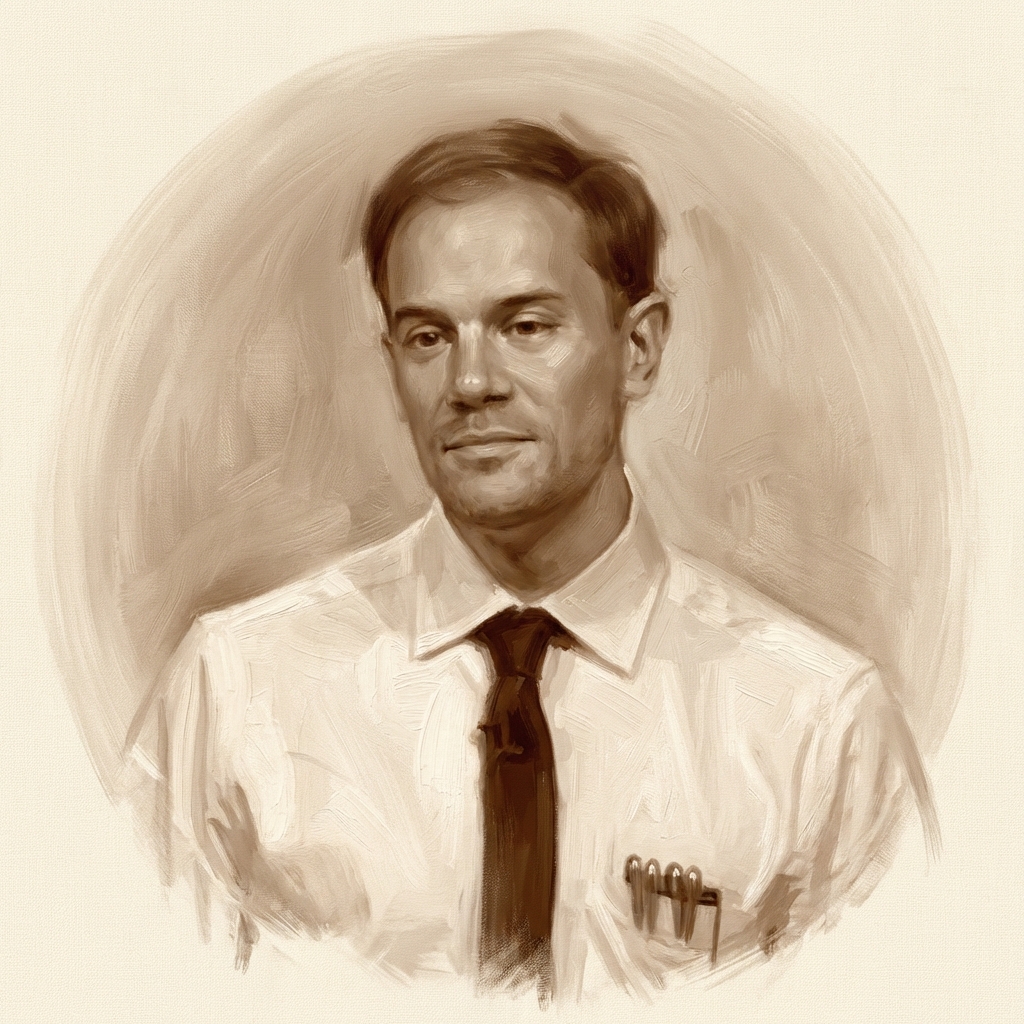
Appleton 對程式介面的書寫,起點是 Victor。她那篇談如何讓程式變得可視、具空間感、可學習的文章,名字取自他的〈Learnable Programming〉,前提也來自他那句「人能理解的,是他看得見的」;〈Programming Portals〉更直說,動態、互動媒介為何關鍵,這條路 Victor 早已走得很熟。她補上的,是他大多留白的實作者問題:這個願景中一小塊、範圍有限的部分,要怎麼嵌進人們已經在用的應用程式裡。
maggieappleton.com · maggieappleton.com · maggieappleton.com
道格拉斯·恩格爾巴特
受其影響擴增人類智能的先驅工程師
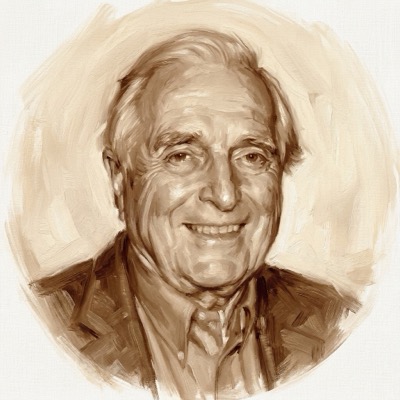
在〈Tools for Thought as Cultural Practices, not Computational Objects〉中,Appleton 把 Engelbart 1962 年的報告視為她所書寫的社群的試金石,並保留了多數讀者略過的區分:他在意的是我們處理複雜問題的能力,而不是「放大智能」——贏一盤棋看起來很聰明,卻解決不了任何棘手問題。她也保留了他計畫中被那些裝置讓人遺忘的另一半:組織結構、系統動態與訓練,同樣是拼圖的一部分。那一半正是她的論點:思考工具是人們培養出來的實踐,而不是安裝的應用程式。
maggieappleton.com
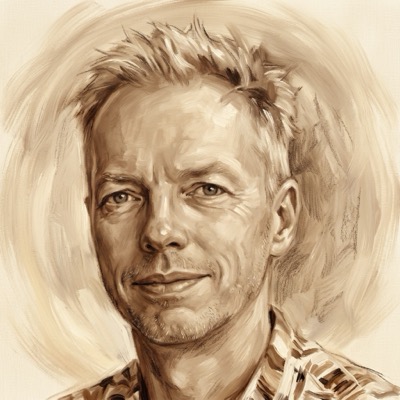
Andy Clark
受其影響哲學家與認知科學家
當 Appleton 追問「第二大腦」究竟是什麼時,她用 Clark 來回答。她的文章〈How to Become a Neo-Cartesian Cyborg〉從《Natural-Born Cyborgs》取來一個主張:人之所以與眾不同,在於我們能把工具與文化實踐徹底納入自身;她談思考工具的演講,也把他的延展心智放在 Engelbart 與 Kay 旁邊——我們不是在頭顱裡思考,而是橫跨大腦、身體與世界在思考。這正是她把筆記軟體當成文化實踐、而非運算物件來看待的原因。
maggieappleton.com · maggieappleton.com
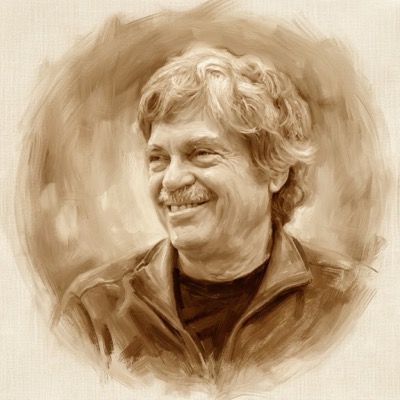
Alan Kay
思想對照電腦科學家與個人電腦先驅
這是同一個傳統之內的對照,而非爭執。Kay 的 Dynabook 想像的是一個人人都能在其中創作的媒介,那是「終端使用者程式設計」最初的夢想;Appleton 說自己在理論上支持這個夢,卻在 Local-First 大會上直言:多數人並不想寫程式,我們該停止要求護理師和老師去學寫程式。她的「赤腳開發者」是修訂這個夢,而不是放棄它:不是人人,而是那些已經嵌在社群裡、對技術好奇的少數人;而 Kay 寄望於更好媒介的事,交由語言模型來承擔。
youtube.com · maggieappleton.com