關於
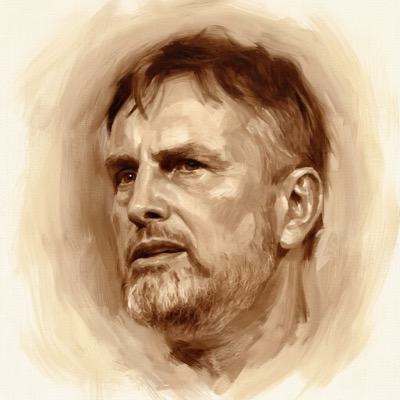
尤爾根·施密特胡伯(Jürgen Schmidhuber)被稱為現代 AI 之父——喊得最大聲的是他自己,而這正是他不可或缺的一部分原因。在他慕尼黑實驗室驚人的 1990–91 年間,他提出了人工好奇心(兩個網路鎖在一場對抗遊戲裡,比 GAN 早了好幾年)、David Ha 數十年後才具體實現的「控制器—世界模型」架構,以及他的學生 Sepp Hochreiter 對梯度消失的分析——後者催生了 LSTM:到 2010 年代中期,這個架構在數十億支手機上運行著語音辨識與翻譯。他 1987 年的碩士論文提出「學習如何學習」的機器;2003 年的哥德爾機——一個形式化的自我改進程式——把名字借給了我們這個時代正在打造的 Darwin Gödel Machine。他的 GPU 訓練 CNN 早在 AlexNet 之前的 2011 年就贏得視覺競賽。他現任 KAUST AI 計畫主任,並仍是瑞士 IDSIA 實驗室的科學總監——也仍是這個領域最不屈不撓的記憶守護者,堅持深度學習的歷史比諾貝爾敘事更長、也更不盎格魯美利堅。
主要貢獻
- 與學生 Sepp Hochreiter 共同創造 LSTM——二十年間,數十億裝置上語音與翻譯的循環網路主力
- 他 1990–91 年的實驗室預示了現代 AI 的大半:對抗遊戲形式的人工好奇心(早於 GAN)、世界模型、生成式預訓練
- 在 1987 年的碩士論文中提出元學習——會學習如何學習的機器——一個領域三十年後才追上的研究綱領
- 構想哥德爾機(2003):形式化的自我改進程式——今日 Darwin Gödel Machine 的名字來源與先祖
- 他的 DanNet GPU 訓練 CNN 在 2011 年、AlexNet 之前贏得四項視覺競賽——他畢生主張「AI 的功勞記得太淺」最鋒利的證物
細聽
影片與訪談

Juergen Schmidhuber: Godel Machines, Meta-Learning, and LSTMs
Lex Fridman's eleventh episode, recorded before the podcast was famous and before the field admitted how much of it Schmidhuber had sketched first. He walks through the 1990–91 ideas — curiosity as compression progress, networks that model the world, programs that improve themselves — with the cheerful certainty of a man who believes history will need to be corrected in his favor. The Gödel machine section is the ancestor's-eye view of everything this atlas now files under self-improving AI.
View Details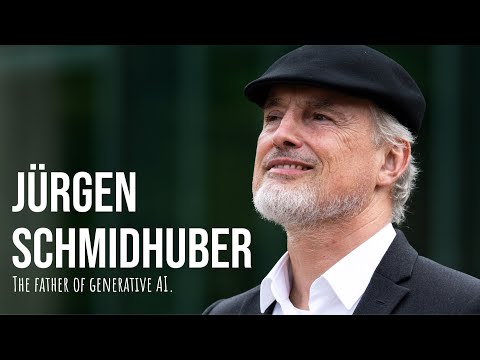
The Man Who Invented Modern AI (Before Everyone Else) — Jürgen Schmidhuber
Machine Learning Street Talk gives Schmidhuber the two things he has always wanted: time, and the premise of the title. The result is the best single tour of his case — LSTM, artificial curiosity before GANs, GPU vision before AlexNet, self-improvement before it was a startup pitch — and of the temperament behind it: a man genuinely more interested in AIs that set their own goals than in the LLMs everyone else came to ask him about. Watch it beside the deep-learning founders' pages and decide the credit question for yourself.
View Details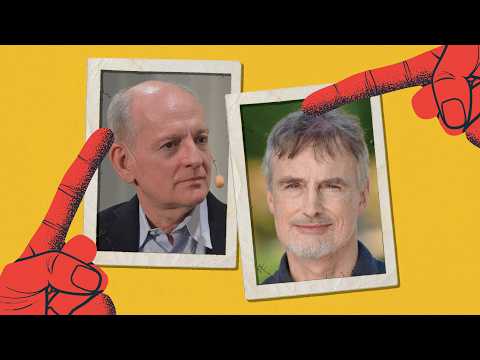
Could AI Destroy the World? A Debate with Stuart Russell and Jürgen Schmidhuber | Counterpoint
Foreign Policy's Counterpoint, hosted by Nick Danforth, sets two founders of the field on opposite sides of one question: could AI destroy the world? Russell argues yes, that systems more capable than us could escape our control. Schmidhuber argues the fear is speculative and makes the case for optimism. They disagree over whether human and machine interests can be aligned, what evolution says about conflicting goals, and where AI is heading in the long run, then come down to near-term risks, policy, and whether commercial motives are steering the debate.
View Details思想連結

David Ha
曾經合作Sakana AI 共同創辦人暨執行長
〈World Models〉(2018)的作者恰好兩位:一位是交易員出身的研究者,另一位在 1990 年就勾勒出「控制器—世界模型」的構想、等了三十年算力才趕上。他們的論文——讓智能體在自己夢出的環境裡學習——是那種罕見的合作:一人提供古老的藍圖,另一人讓它跑起來。今日領域裡每一個「世界模型」的主張,都留著它的指紋。
arxiv.org
寇特·哥德爾
受其影響邏輯學家與數學家
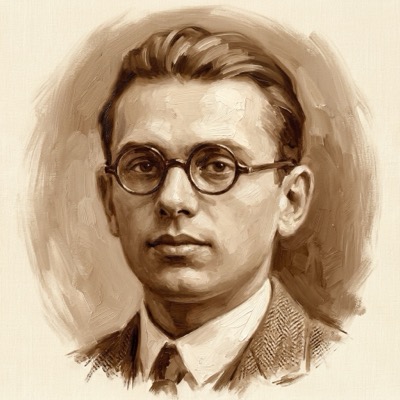
Schmidhuber 的哥德爾機(2003)直接建立在哥德爾的自我指涉公式上:一個問題求解器,只要證明了某次改寫有用,就能改寫自身程式碼的任何部分。它的極限也由哥德爾的定理劃定——一個受證明約束的自我改進者,必須放過每一個它無法證明有用的改進。Darwin Gödel Machine 保留了這個名字,卻把證明換成了實測基準,因為要證明多數改動有益,實務上不可能——這本身就說明了那道極限把我們留在哪裡。
arxiv.org · en.wikipedia.org · youtube.com · arxiv.org
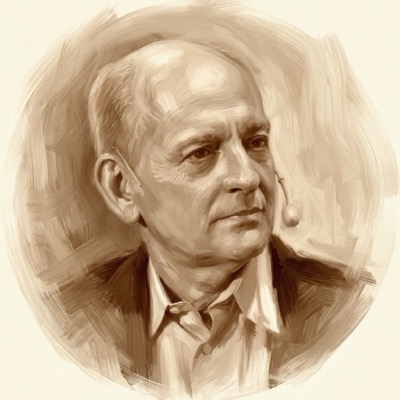
Stuart Russell
觀點交鋒加州大學柏克萊分校電腦科學教授
2026 年 10 月,《外交政策》的節目 Counterpoint 把兩人放在同一個問題的兩端:AI 會毀滅世界嗎?這場辯論收錄在本站。Russell 主張,比我們更有能力的系統可能脫離我們的掌控;Schmidhuber 則認為這是揣測性的恐懼渲染,並為樂觀立論。兩人都參與打造了這個他們意見相左的領域,因此這場分歧很難歸咎於任何一方的無知。
youtube.com
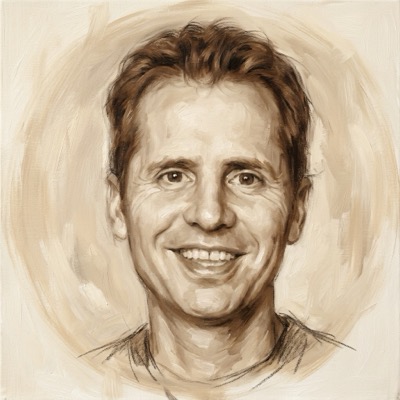
傑夫·克盧恩
影響了他/她英屬哥倫比亞大學電腦科學教授
Darwin Gödel Machine——Clune 實驗室與 Sakana 的合作——它的名字與野心,都取自 Schmidhuber 2003 年的哥德爾機:論文摘要開頭便向那個「理論上的替代方案」致意——一個會改寫自己的自我改進 AI。Clune 的整個研究綱領,運行在 Schmidhuber 播下的種子上——人工好奇心、自我改進、學習如何學習——只是把「證明」換成了「達爾文」:哥德爾機要求可證明的益處,DGM 則保留一座檔案庫,讓經驗性的演化來裁決。
arxiv.org · people.idsia.ch

